Have you ever stopped to think about the remarkable role that pollination plays in our world? From the fruits we enjoy to the flowers that beautify our landscapes, pollination is the unsung hero behind much of the natural beauty and bounty we encounter every day. In this blog post, we’ll be exploring its importance, its mechanisms, and its profound impact on ecosystems and human society.
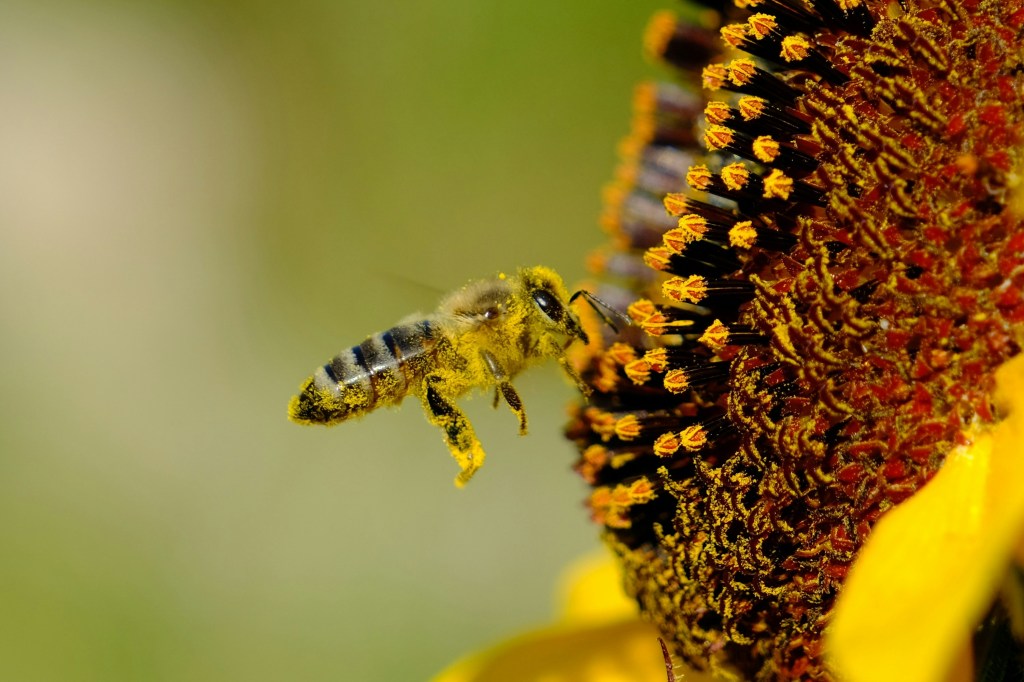
At its core, pollination is the process by which pollen is transferred from the male reproductive organs of a flower to the female reproductive organs, thereby fertilizing the plant and enabling it to produce seeds. This transfer of pollen can occur through various means, including wind, water, and, most commonly, animal pollinators such as insects, birds, and bats. Among these pollinators, honeybees or bubuyog reign supreme as some of the most efficient and effective agents of pollination, thanks to their remarkable ability to collect pollen and nectar as they forage from flower to flower.
Pollination is essential for the reproduction of many flowering plants, including approximately 75% of the world’s food crops. Without pollination, these plants would be unable to produce the fruits, vegetables, nuts, and seeds that form the foundation of our diets. In addition to its role in food production, pollination also contributes to the diversity and resilience of ecosystems, supporting the growth of wildflowers, trees, and other plants that provide habitat and food for a wide range of animals.
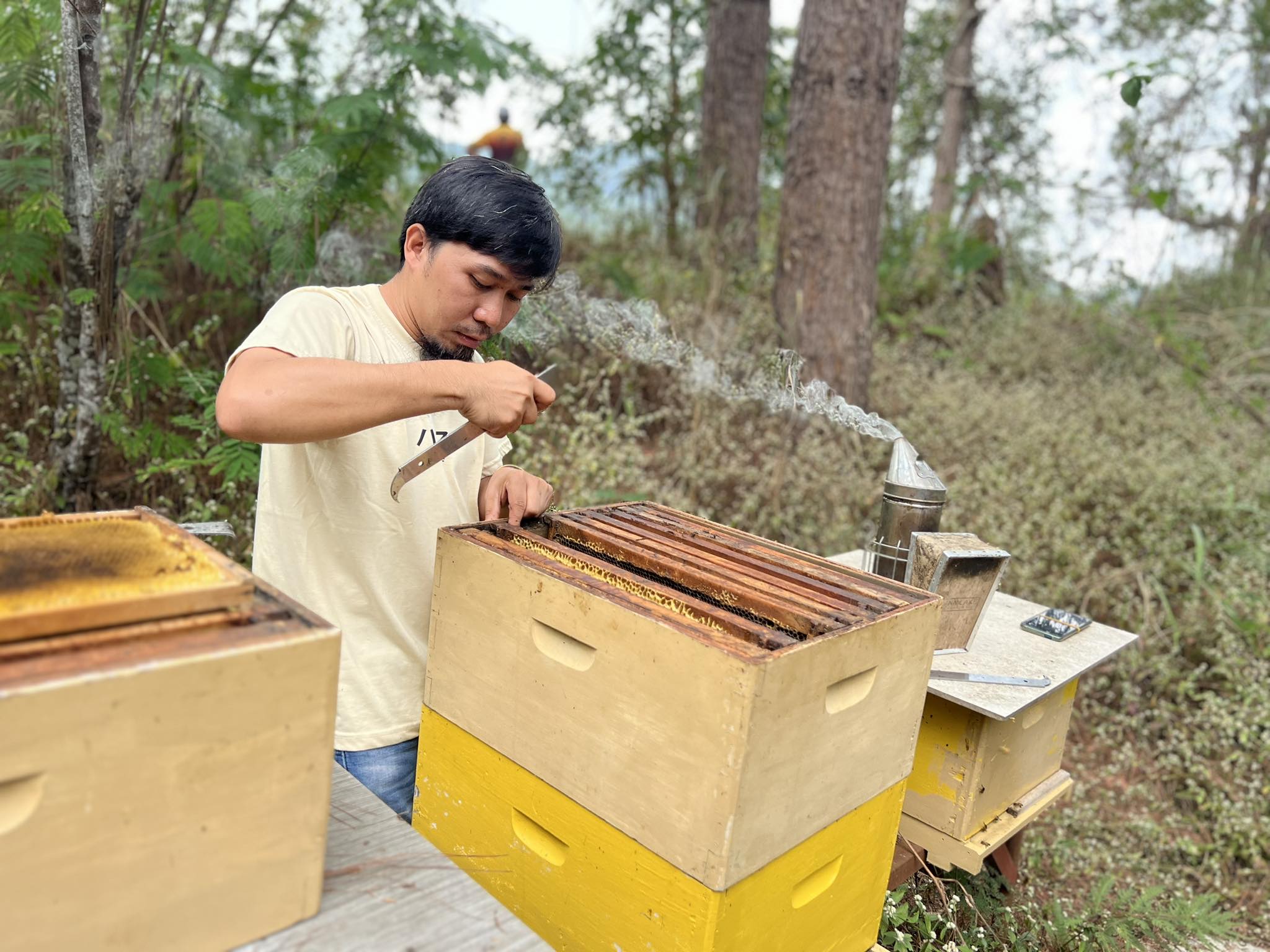
Among pollinators, honeybees or bubuyog are particularly noteworthy for their significant contributions to crop pollination. In addition to their natural efficiency as pollinators, honeybees are also highly manageable and can be deployed in large numbers to pollinate agricultural crops on a commercial scale. As a result, bubuyog play a crucial role in ensuring the productivity and sustainability of many crops, including almonds, apples, avocados, and blueberries, among others.
Despite their importance, pollinators, including bubuyog, face numerous threats to their health and survival. These threats include habitat loss, pesticide exposure, climate change, and diseases such as colony collapse disorder. As a result, populations of some pollinator species have declined significantly in recent years, posing risks to both natural ecosystems and agricultural systems that rely on pollination for crop production.
Given the critical role that pollinators play in our lives, it’s essential that we take action to protect and support them. This can include planting pollinator-friendly gardens, reducing the use of pesticides, providing habitat for pollinators, and supporting policies and initiatives that promote pollinator conservation. By working together to safeguard pollinator health, we can ensure the continued vitality of ecosystems and the availability of nutritious, diverse, and sustainably produced food for generations to come.
Pollination is a fundamental process that sustains life on Earth, supporting the reproduction of plants, the diversity of ecosystems, and the abundance of food crops that nourish both humans and wildlife. Bubuyog, with their remarkable pollination abilities, play a central role in this process, making them invaluable allies in the quest for sustainable agriculture and environmental conservation. By understanding and appreciating the importance of pollination, we can take steps to protect and support pollinators, ensuring a healthier, more resilient planet for all.
 bubuyog
Leave a comment