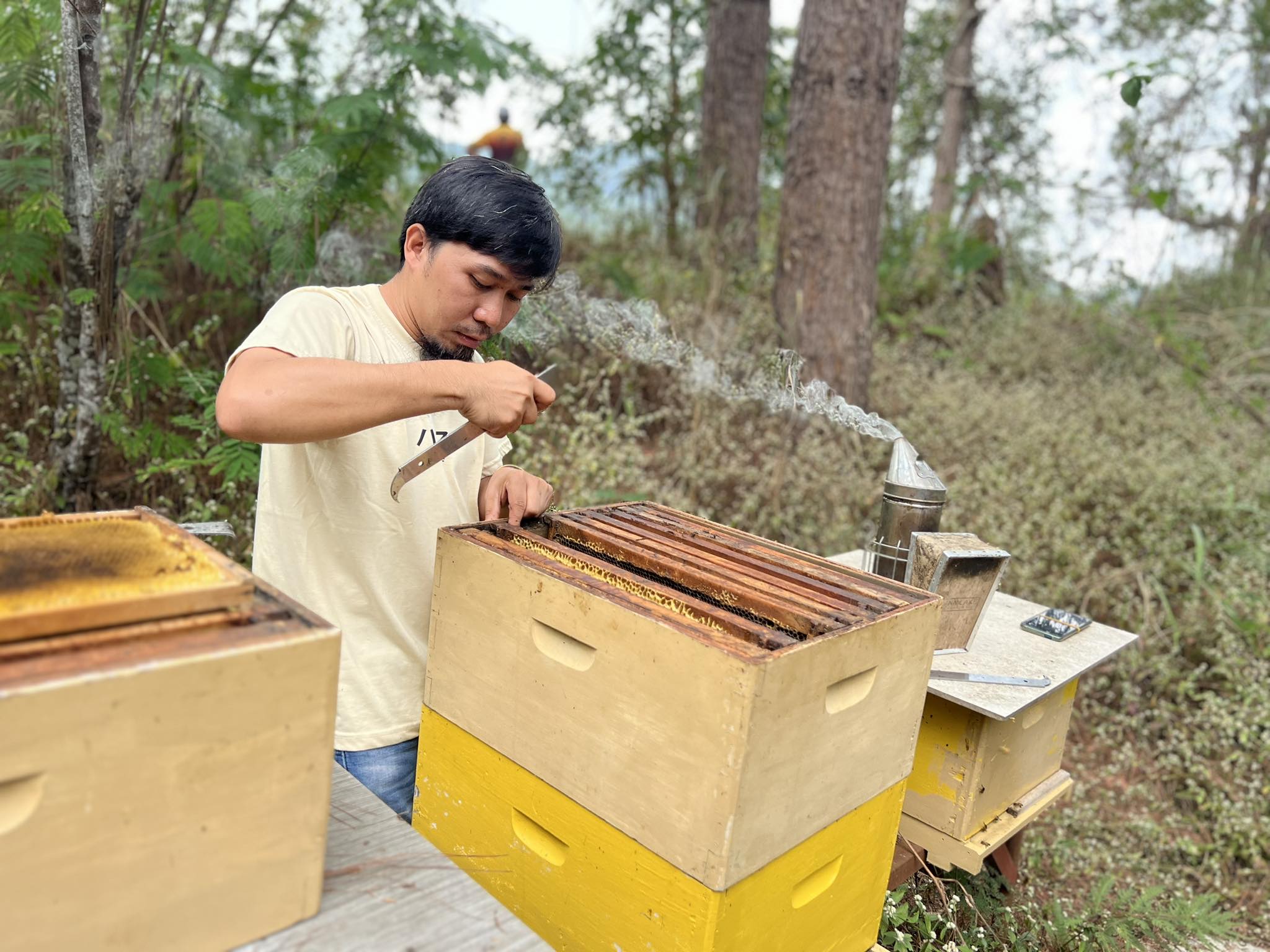
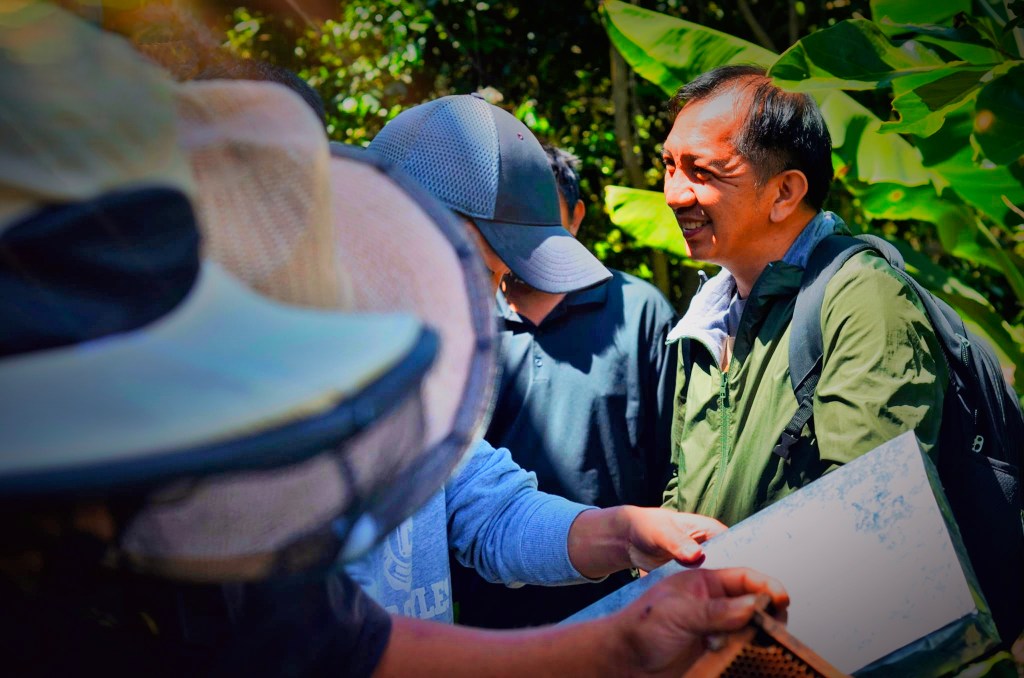
The Municipality of La Trinidad in Benguet is the heart of the Cordillera region in the Philippines, where forests and fertile valleys meet, lies the Cordillera Regional Apiculture Center (CRAC) in Benguet State University (BSU), a beacon of hope for beekeepers and conservationists alike. Led by the dedicated Dr. Kenneth Laruan, CRAC is on a mission to promote beekeeping as a sustainable livelihood and to advocate for the conservation of bees and their habitats. In this article, we dig into the vision, initiatives, challenges, and aspirations of CRAC as it works tirelessly to sustain beekeeping in the Cordillera.
“At CRAC, our vision is to become a premier regional apiculture center for human, material, and natural resources development, driving a competitive apiculture industry,” Dr. Kenneth Laruan explains. “Our mission is to educate, train, and conduct research in collaboration with various stakeholders, aiming to establish beekeeping as a sustainable source of income integrated into the farming systems of the region.”
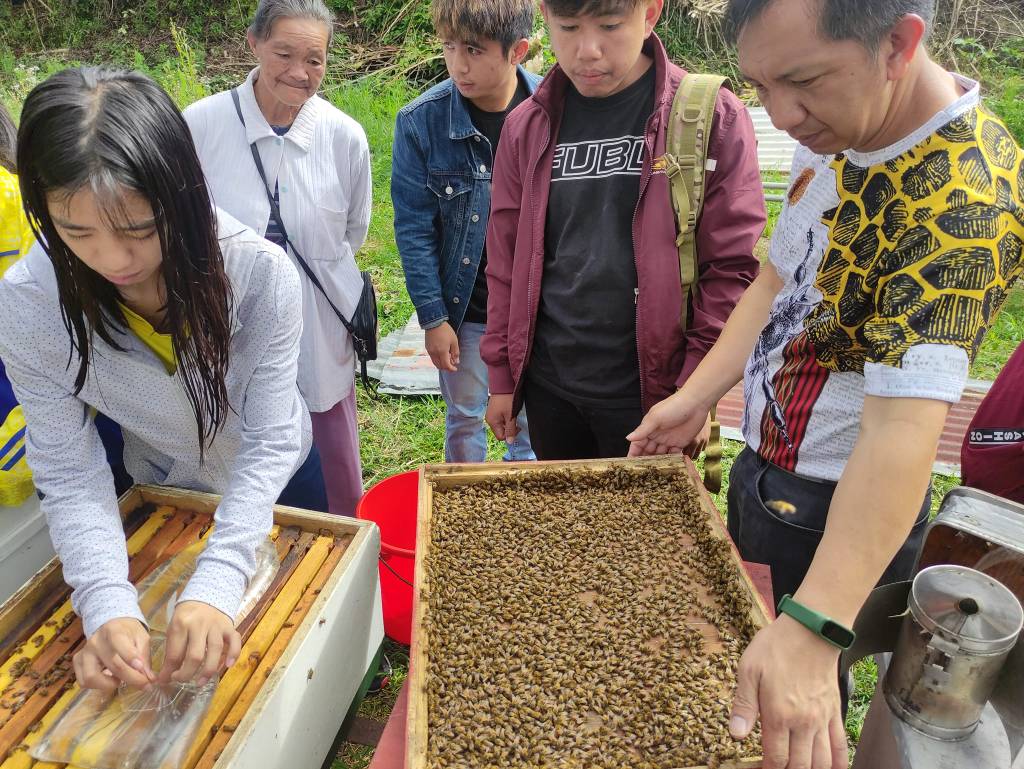
Dr. Kenneth Laruan’s journey into beekeeping and his leadership of CRAC were not conventional. “Despite my background in forest environmental resources management, I took on the mantle of beekeeping with vigor and dedication,” he shares. “My passion for the ecological and economic importance of bees, particularly in pollination, propelled me to lead CRAC’s efforts in advancing beekeeping in the region.”.
CRAC’s advocacy extends far and wide, encompassing various programs and projects aimed at supporting beekeepers and promoting sustainable apiculture practices. “From the Bees for Economics and Ecosystem Services (BEES) Program to the Bee Education Services (BeES) Project and the Bees for Equalizing Economy and Ecology Services (BEEES) Campaign, CRAC is at the forefront of advocacy for bee conservation and livelihood enhancement,” Dr. Laruan emphasizes.
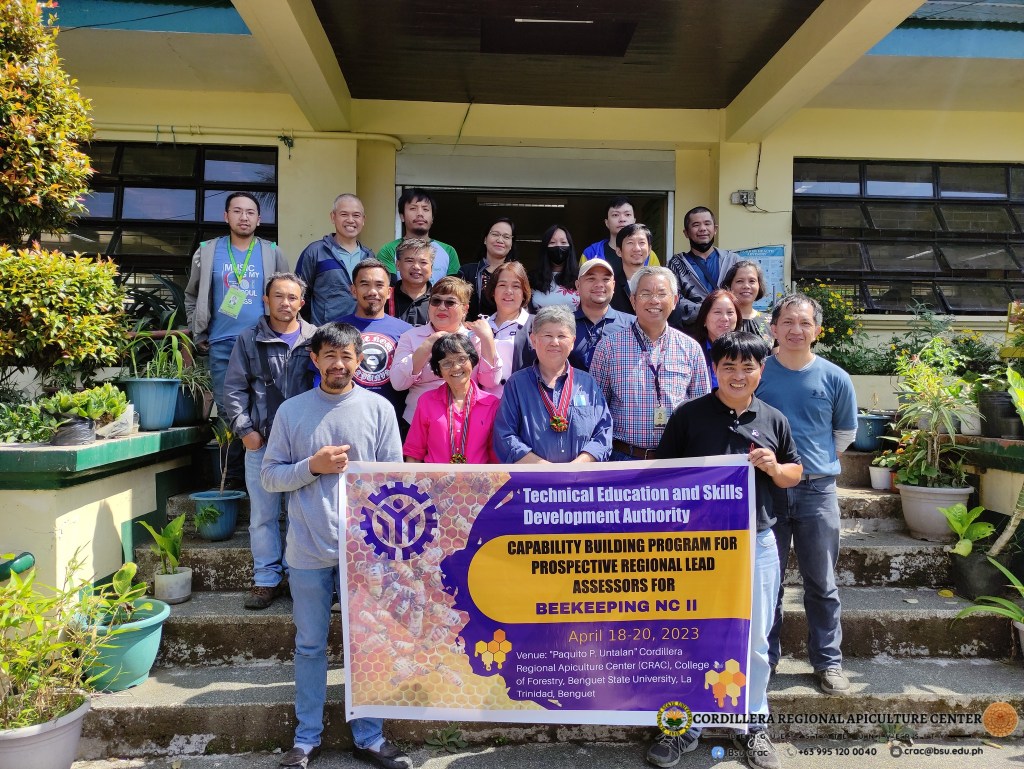
“Collaboration is key to effecting change,” Dr. Laruan stresses. “Through partnerships with local communities, government agencies, and other stakeholders, CRAC advocates for policies and regulations that benefit beekeepers and protect bee habitats. Memorandums of Agreements are forged, and workshops are organized to address the concerns of beekeepers and foster collective action.”
Like any endeavor, CRAC faces its fair share of challenges. “From a lack of technical expertise to the absence of comprehensive programs for beekeeping, CRAC navigates these obstacles with resilience and determination,” Dr. Laruan acknowledges. “Despite these challenges, CRAC has achieved notable successes, including the training of professionals and the recognition of BSU CRAC as a beekeeping training institution.”
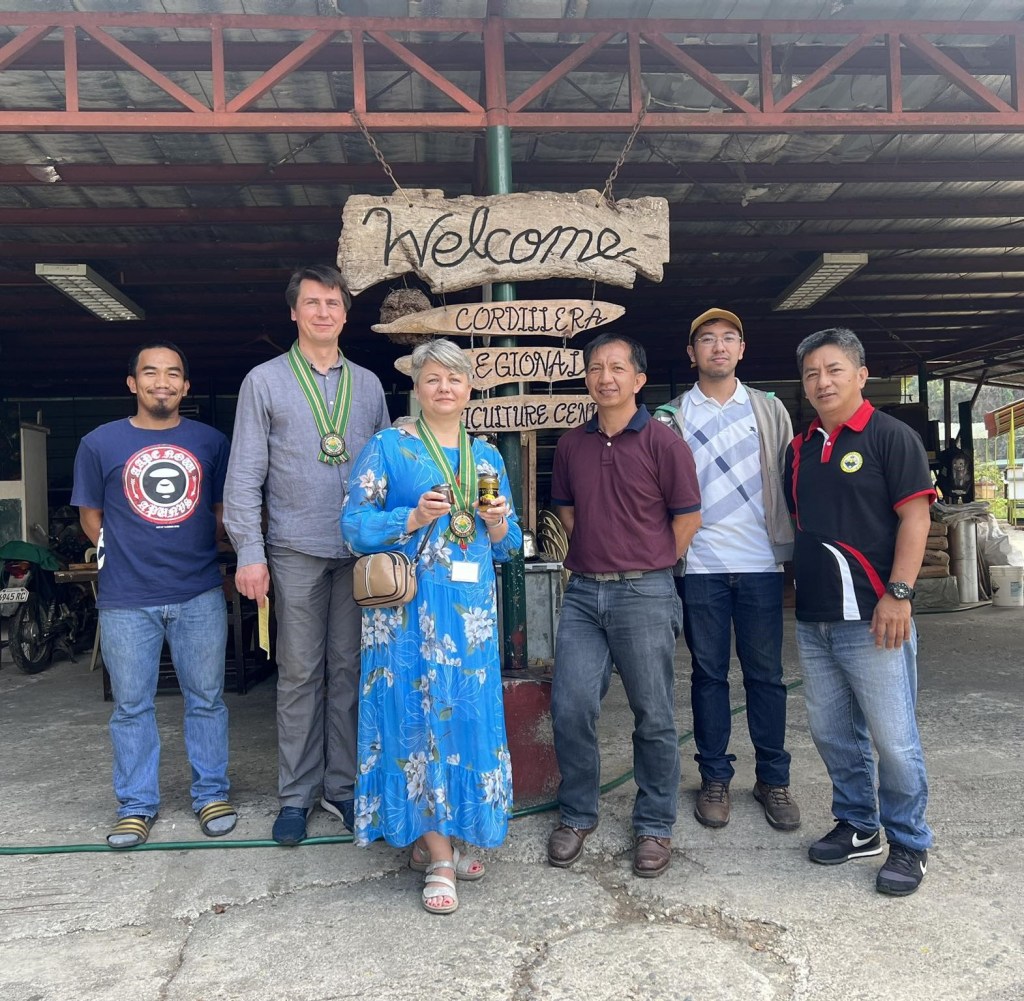
“CRAC endeavors to raise awareness about the importance of bees and the role of beekeeping in sustainable agriculture and environmental conservation,” Dr. Laruan underscores. “Themes such as the vital role of bees in agriculture, biodiversity conservation, and poverty reduction are emphasized to underscore the significance of beekeeping in achieving Sustainable Development Goals.”
Looking ahead, CRAC envisions expanding its Bee Education Services (BeES) project to other provinces in the Cordillera region, fostering collaboration and empowering beekeepers across the region. “Our leadership and dedication continue to drive forward the mission of sustaining beekeeping in the Cordillera,” Dr. Kenneth Laruan affirms.
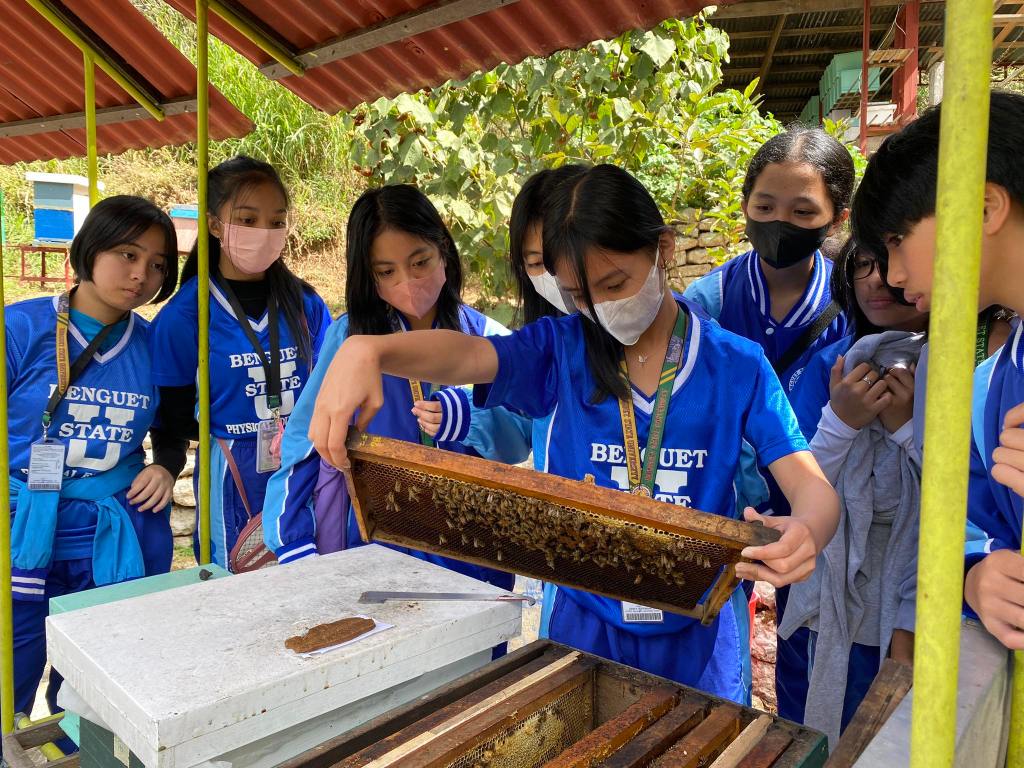
In the Cordillera region, where the landscape is as diverse as its people, CRAC stands as a beacon of hope for beekeepers and conservationists. Through advocacy, collaboration, and dedication, CRAC and its leader, Dr. Kenneth Laruan, are paving the way for a sustainable future where bees thrive, and communities prosper. As beekeeping ripples through the valleys and mountains of the Cordillera, CRAC remains steadfast in its commitment to sustaining the invaluable legacy of bees for generations to come.
About Dr. Kenneth Laruan
Dr. Kenneth Laruan wears multiple hats in his professional journey. He currently holds the position of faculty member at the Forest and Biological Sciences and Wood Science and Technology Department of the College of Forestry at Benguet State University. Simultaneously, he serves as the Director of the Cordillera Regional Apiculture Center.
Beyond his teaching responsibilities, Dr. Laruan is deeply engaged in research and community service endeavors, enriching both academic scholarship and local initiatives with his expertise and dedication.
As a registered Forester, Dr. Laruan brings a wealth of knowledge and experience to his roles, informed by his roots as a native of Benguet province, hailing from the Ibaloi ethnolinguistic tribe.
 bubuyog
Leave a comment