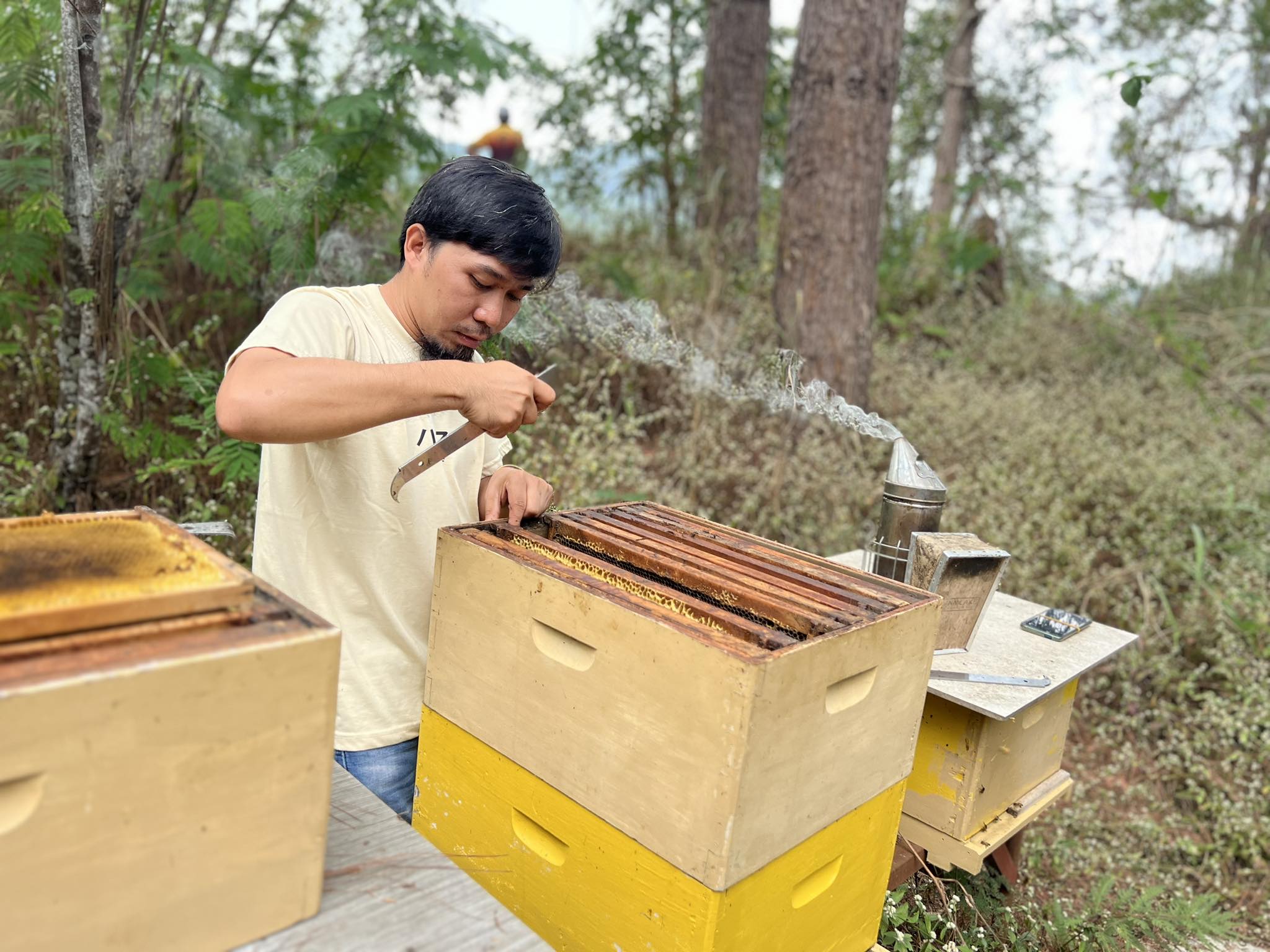
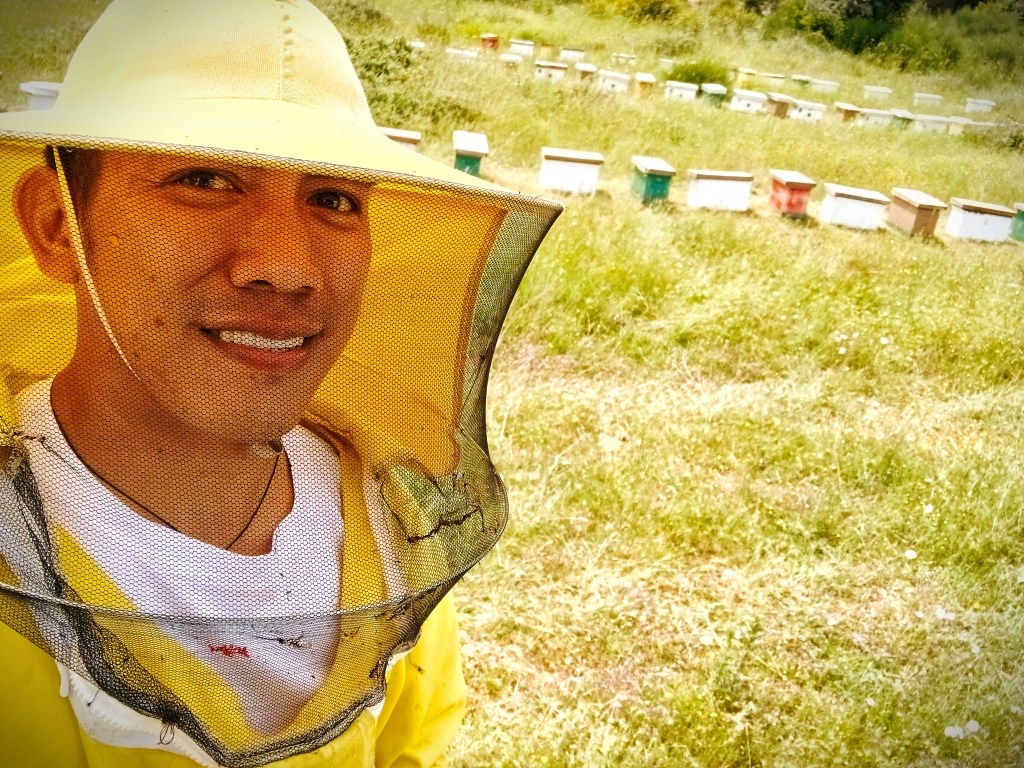
Jeffrey Pedrosa Palao’s story is a powerful one. Moving from the Philippines to Croatia, he shows us what it means to adapt, overcome, and chase passions despite the hurdles life throws at us.
Jeffrey is described as kind, joyful, and approachable—qualities that have significantly aided him in adapting to new environments and forming new friendships abroad. A graduate of Bachelor in Agricultural Technology, he worked as an Agriculture Technician at the Provincial Agriculture Office and as a beekeeper at Loyola Bee Farm before moving to Croatia.

Initially, a broken heart led Jeffrey to seek a fresh start in beekeeping, where he discovered joy among the bees. “First, I was heartbroken. I changed careers to move on—laughing about it, I found inner peace with the bees,” he shares in Cebuano. His path to beekeeping began at Loyola Bee Farm in the Philippines, and a friend who was a beekeeper in Canada recommended him for a position in Croatia.
His decision to work abroad was driven by the dual goals of securing a financial future and, half-jokingly, the possibility of finding love overseas. “I needed to work abroad to save money for the future,” Jeffrey explains in Cebuano. Adapting to beekeeping in a new country presented challenges, particularly adjusting to new cultural norms and methods.
While the fundamental beekeeping techniques in Croatia mirror those in the Philippines, Croatian beekeeping incorporates more advanced technologies. However, the core management practices are quite similar. “The beekeeping isn’t very different from the Philippines, just more advanced technology,” he observes.
A typical day for him starts at sunrise, quickly tending to the bees to maximize honey production, as procrastination could mean missed opportunities. “We need to work quickly at sunrise to collect for honey, because if we procrastinate, the opportunity may be lost.” Jeffrey notes in Cebuano. His workday sometimes extends into the night to move the bees, which must be done in cooler temperatures to avoid stressing the insects.
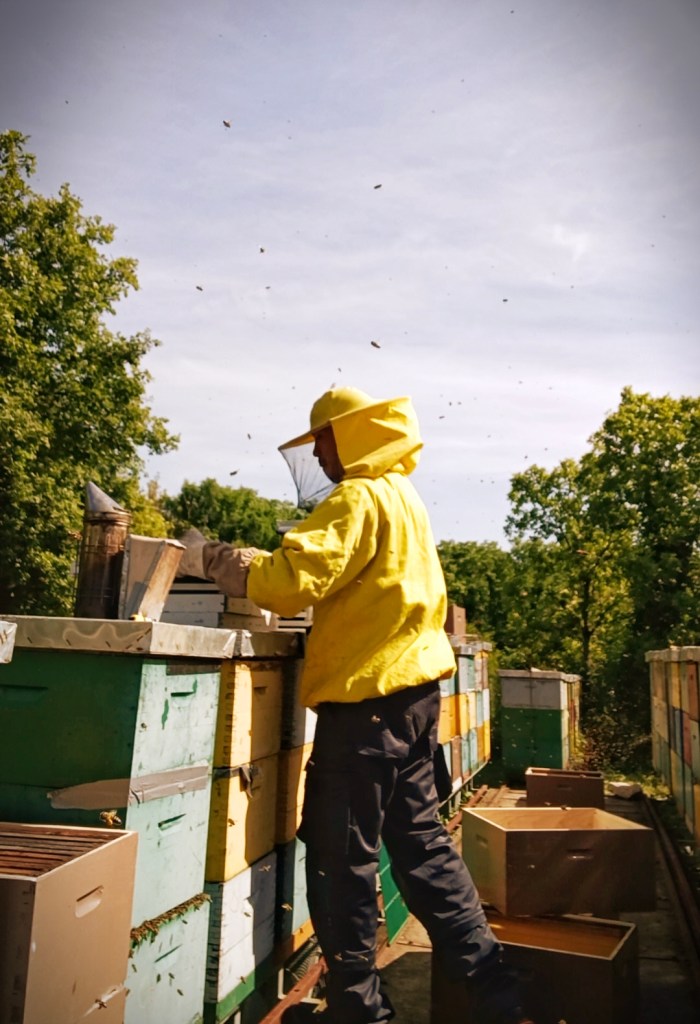
The most rewarding parts of his job include the substantial honey harvests and ensuring the health of his hives. “Having a lot of honey harvest, seeing bees good in their hives—it’s useful for our community in terms of agriculture,” he says, appreciating the agricultural value of his work, similar to his experiences back in the Philippines.
The greatest difficulty of working abroad is the loneliness from being separated from family and the need to rely solely on oneself without nearby relatives. “The loneliness of family, you can only rely on yourself because you don’t have relatives to turn to, you really just need to be persistent when working abroad,” Jeffrey explains in Cebuano.
He maintains his connection to his Filipino heritage through social media and other advanced communication technologies, which help mitigate the feelings of homesickness.
Although Croatian and Filipino beekeeping practices are fundamentally similar, Jeffrey has introduced innovative techniques from the Philippines, thus enriching the local beekeeping methods.
A significant highlight was managing exceptionally large hive boxes of honey, “The hive boxes full of honey are really heavy. But if you’re truly interested in working as a beekeeper, you can handle it and must be dedicated to the job,” Jeffrey showcasing his hard work and dedication to beekeeping.
He encourages Filipinos aspiring to work abroad, particularly in beekeeping, to be mentally and physically prepared for the challenges. “Being a beekeeper abroad is not easy. You need to be strong for any situation,” Jeffrey advises, stressing the importance of perseverance and a strong spiritual foundation.
 bubuyog
Leave a comment