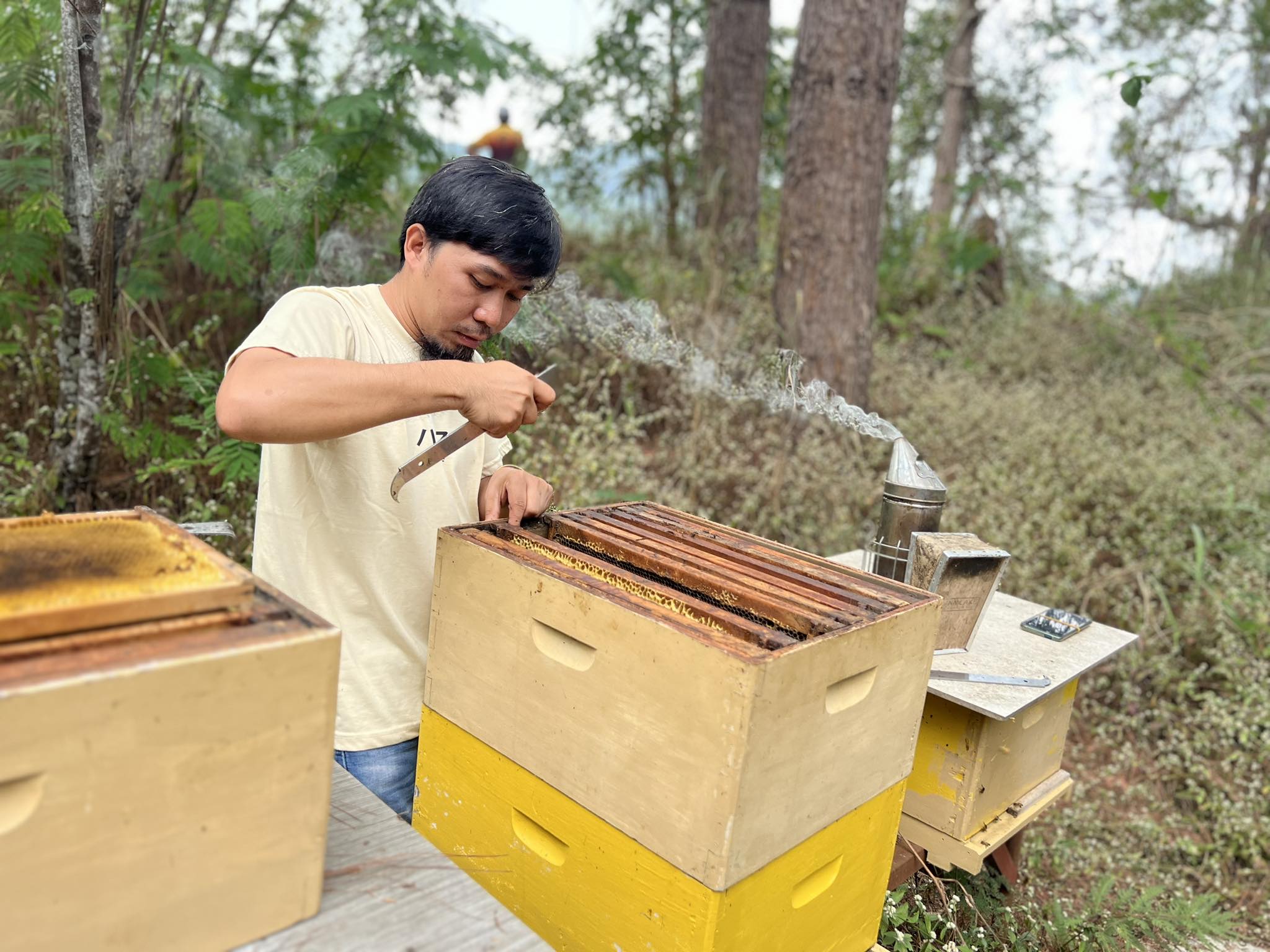
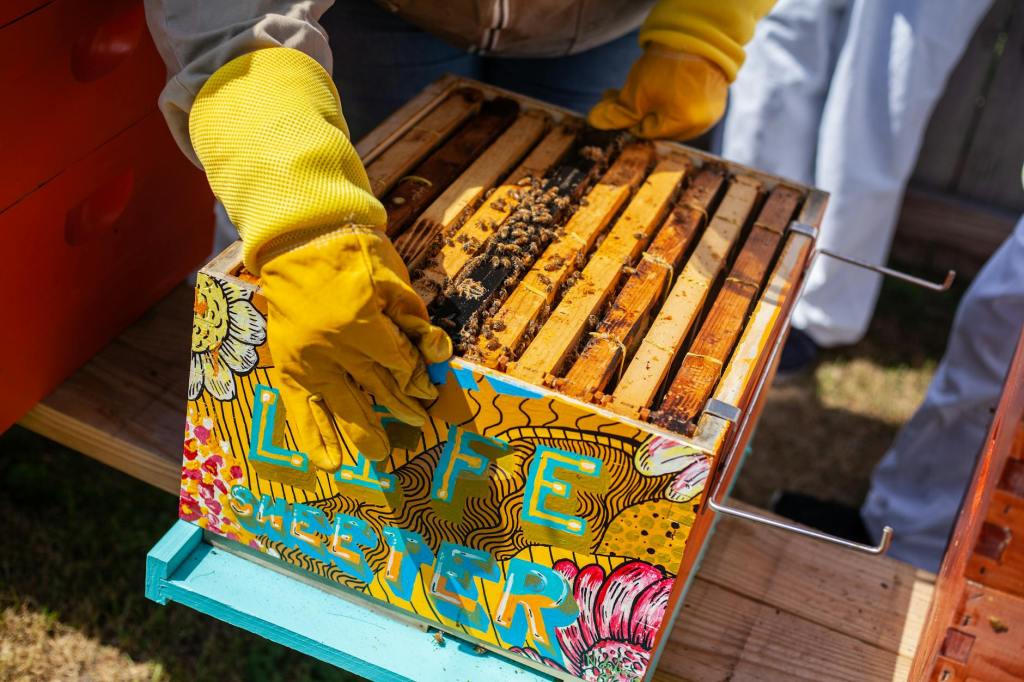
Queen rearing is a critical practice in beekeeping that involves the deliberate production of new queen bees to ensure the health, productivity, and sustainability of bee colonies. This method not only supports the replenishment of queen bees but also allows beekeepers to select and propagate desirable traits within their hives. Here, we explore the important steps and best practices for successful queen rearing.
Importance of Queen Rearing
The queen bee is the heart of the hive, responsible for laying eggs and maintaining the colony’s social structure. A strong, healthy queen ensures a thriving colony, while a weak or aging queen can lead to diminished productivity and colony collapse. By rearing queens, beekeepers can:
- Replace old or failing queens
- Expand their apiaries
- Improve genetic diversity
- Enhance colony traits such as honey production, temperament, and disease resistance
Key Methods of Queen Rearing
There are several methods for queen rearing, each with its own advantages. Here, we outline three popular techniques:
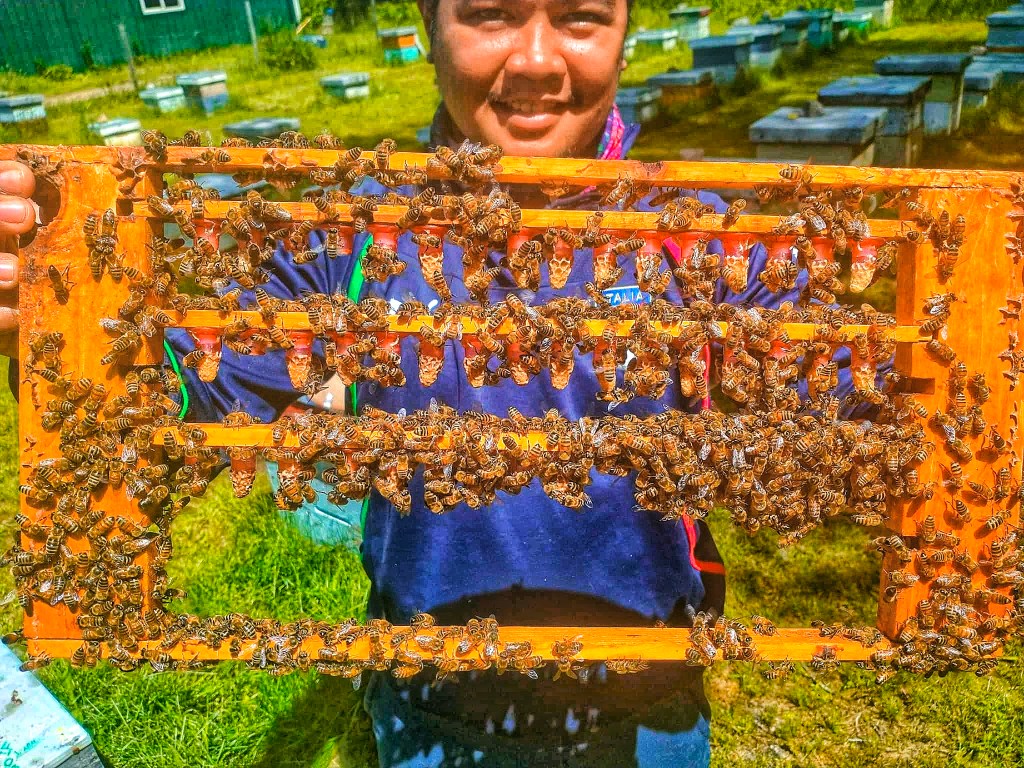
- The Grafting Method
The grafting method is widely used due to its efficiency and control over the selection process.- Materials Needed: Grafting tool, queen cups, cell bar frames, and a starter/finisher colony.
- Steps:
- Preparation: Prepare a starter colony by removing the queen and ensuring it is well-populated with nurse bees.
- Grafting: Using a grafting tool, transfer larvae less than 24 hours old from the brood comb into artificial queen cups.
- Inserting Queen Cups: Place the grafted queen cups onto cell bar frames and insert them into the starter colony.
- Finishing: After 10 days, transfer the queen cells to a finisher colony or a mating nuc for the queens to emerge and mate.
- The Non-Grafting Method (The Miller Method)
Ideal for beginners, this method avoids the delicate process of grafting larvae.- Materials Needed: Brood comb, queen excluder, and a strong colony.
- Steps:
- Preparation: Place a frame of young brood in the center of a strong hive.
- Queen Excluder: Use a queen excluder to confine the queen to a specific area of the hive.
- Natural Queen Cells: The colony will naturally create queen cells on the edges of the brood frame.
- Harvesting: Once the queen cells are capped, they can be carefully cut out and placed in mating nucs.
- The Cloake Board Method
This method combines elements of both grafting and non-grafting techniques and is highly effective for larger operations.- Materials Needed: Cloake board, queen excluder, and cell bar frames.
- Steps:
- Preparation: Install the Cloake board in a strong hive, creating a temporary queenless environment in the upper chamber.
- Grafting: Graft larvae into queen cups and place them in the upper chamber.
- Starter Phase: The temporary queenlessness will encourage nurse bees to start queen cells.
- Finisher Phase: After 24 hours, remove the Cloake board, allowing the colony to finish the queen cells in a normal queenright state.
Best Practices for Successful Queen Rearing
- Timing: Conduct queen rearing during the spring or early summer when resources are abundant, and the colony is naturally inclined to reproduce.
- Colony Health: Ensure that both the starter and finisher colonies are healthy and well-populated with nurse bees.
- Larvae Selection: Use larvae that are less than 24 hours old for the best chances of successful queen development.
- Temperature Control: Maintain optimal hive temperatures, especially during the grafting and queen cell development stages.
- Avoiding Disturbances: Minimize hive inspections and disturbances during the critical queen cell development period.
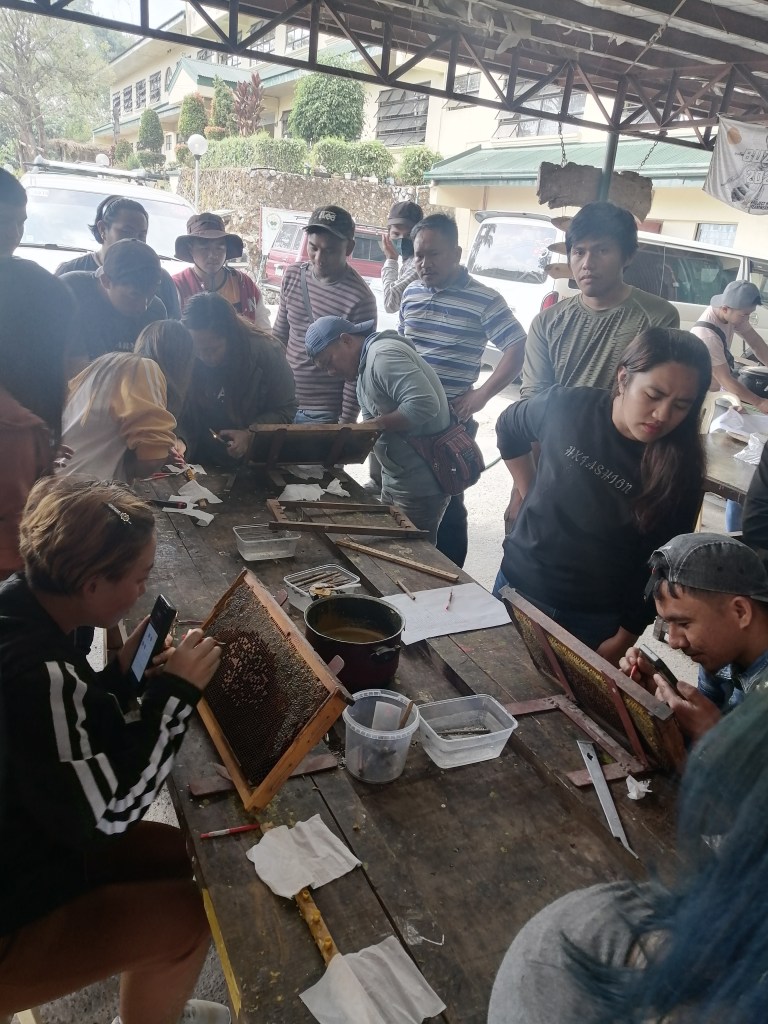
Queen rearing is an invaluable skill for beekeepers aiming to maintain healthy and productive colonies. By understanding and implementing these methods, beekeepers can not only sustain their apiaries but also improve the overall quality and resilience of their bee populations. Whether you are a novice or an experienced beekeeper, mastering queen rearing will undoubtedly enhance your beekeeping success and contribute to the broader efforts of bee conservation and sustainability.
 bubuyog
Leave a comment