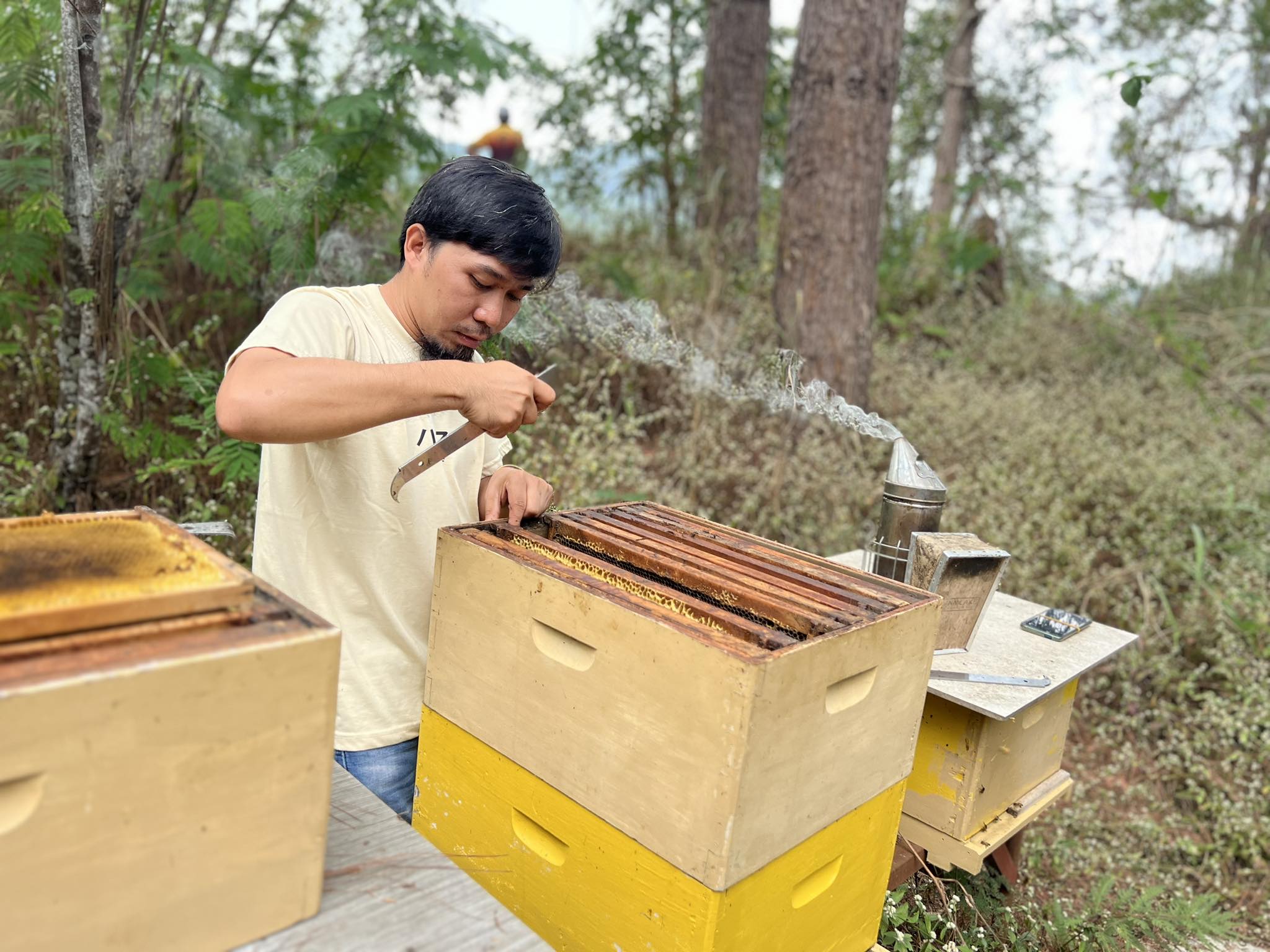
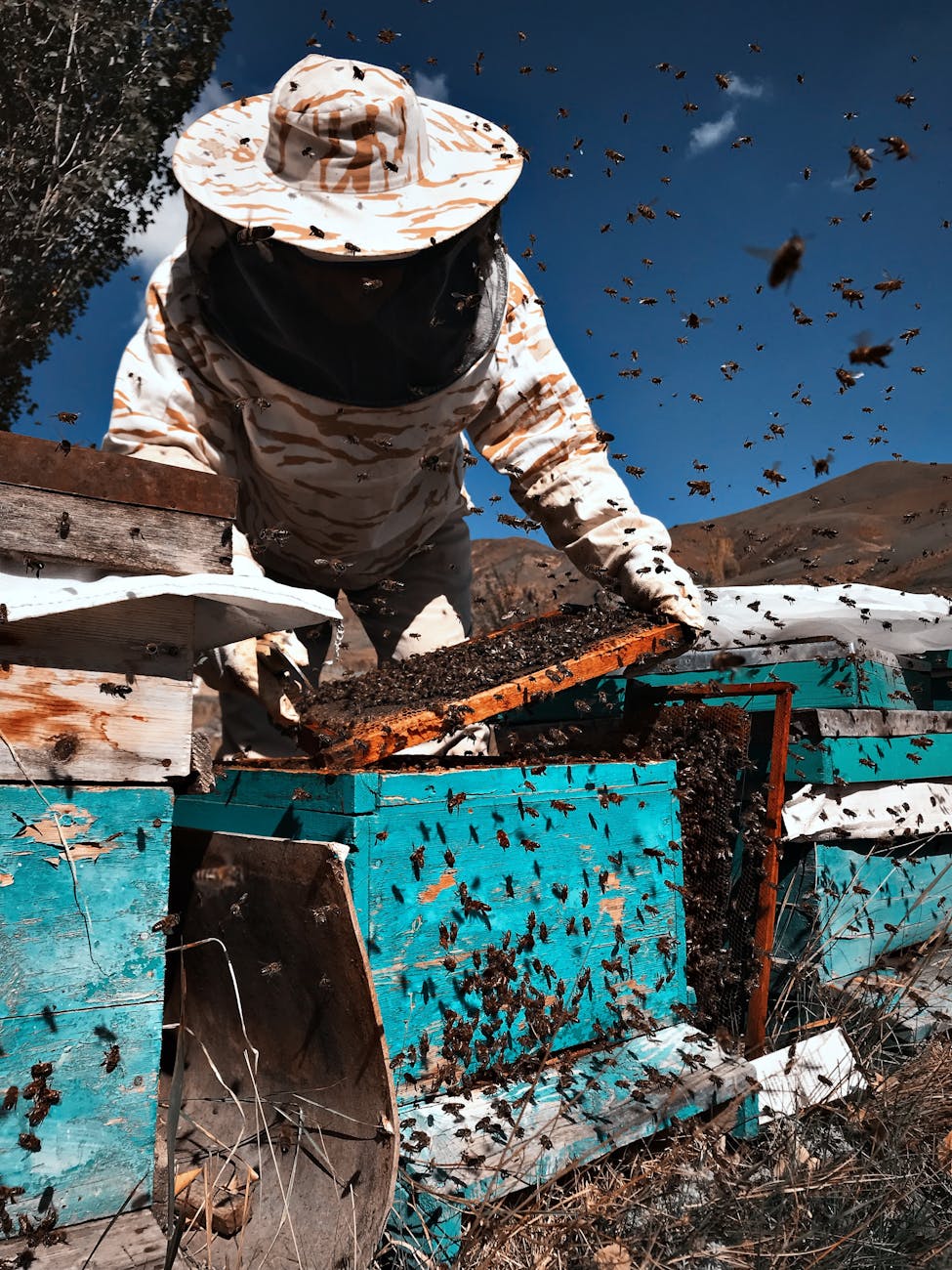
Beekeeping, an age-old practice, has witnessed a renaissance with the advent of modern technology. Innovation in hive monitoring, and advancements in bee genetics are revolutionizing the industry, ensuring sustainability and addressing challenges that have plagued beekeepers for centuries. These explore technological advancements, highlighting their importance and impact on the future of beekeeping.
Technological Advancement in Hive Monitoring
Hive monitoring is critical for maintaining healthy and productive bee colonies. Traditional methods of hive inspection, while effective, are labor-intensive and can disturb the bees. Enter technological advancements, which offer a less intrusive and more efficient approach.
Smart Hive Technology
Smart hives equipped with sensors can monitor temperature, humidity, and hive weight in real-time. These sensors provide beekeepers with crucial data to make informed decisions about hive management. For instance, abnormal temperature fluctuations can indicate brood disease or pest infestations, allowing beekeepers to intervene promptly. The data collected can be accessed remotely via smartphones or computers, making hive management more efficient and less disruptive to the bees. (If you’re a beekeeper, comment below if you know of a company or technology that has a tech like this.)
The implementation of smart hive technology is not merely a trend but a necessity. With the ongoing decline in bee populations due to factors like climate change, pesticides, and diseases, having precise, real-time data is invaluable. It allows beekeepers to respond swiftly to potential threats, thereby increasing the chances of hive survival and productivity. Moreover, it reduces the need for frequent physical inspections, minimizing stress on the bees and improving their overall health.
Research and Development in Bee Genetics
Genetic research is paving the way for stronger, more resilient bee populations. By understanding the genetic makeup of bees, scientists can develop strains that are resistant to diseases and better adapted to environmental changes.
Selective Breeding
Selective breeding programs focus on enhancing desirable traits in bees, such as disease resistance, improved honey production, and better temperament. For example, Varroa Sensitive Hygiene (VSH) is a trait that enables bees to detect and remove Varroa mites, one of the most significant threats to bee health. (If you’re a beekeeper, comment below if you know of a company or research institute that is testing VSH.)
Artificial Insemination
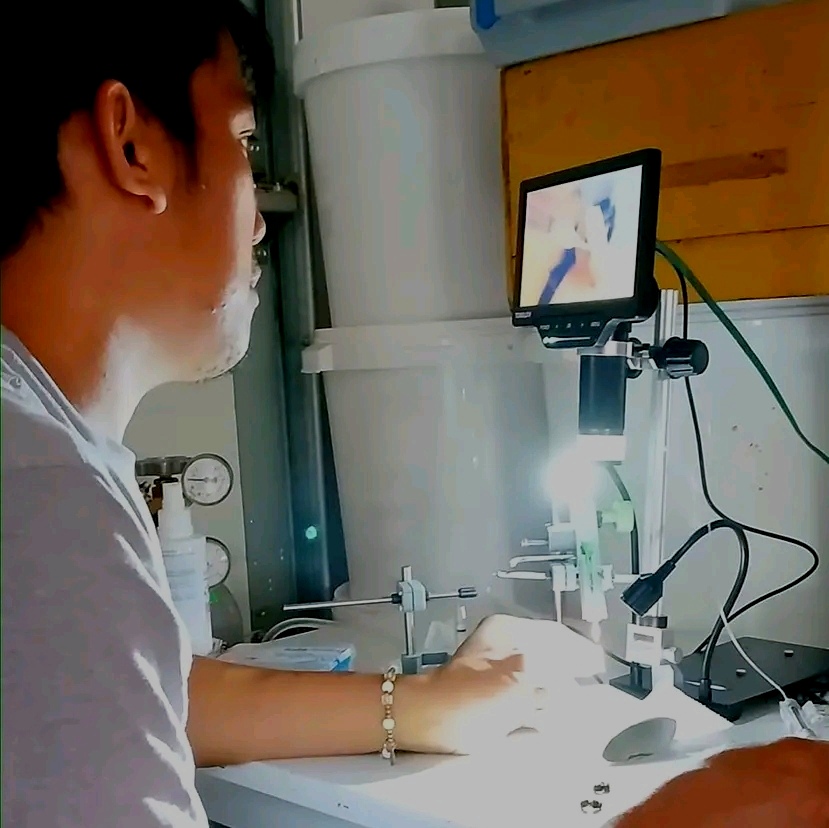
Artificial insemination is another advanced technique being used in bee breeding programs. This method allows for precise control over the genetic traits passed on to the next generation. By selecting queens and drones with the best characteristics, beekeepers can create colonies that are more productive and resilient.
Research and development in bee genetics are crucial for the long-term sustainability of beekeeping. With the increasing threats from diseases, pests, and environmental changes, genetically resilient bees are essential for maintaining healthy colonies. Artificial insemination, in particular, allows for targeted breeding that can significantly enhance the productivity and health of bee populations. These advancements not only improve the bees’ ability to survive but also enhance their productivity, benefiting both beekeepers and the agricultural industry at large.
The integration of technology into beekeeping practices marks a significant step forward in addressing the challenges faced by the industry. Technological advancement in hive monitoring, and research in bee genetics offer innovative solutions that enhance efficiency, sustainability, and productivity. As the beekeeping industry continues to evolve, these innovations will play a pivotal role in ensuring the health and survival of bee populations, ultimately supporting global agriculture and biodiversity.
 bubuyog
Leave a comment