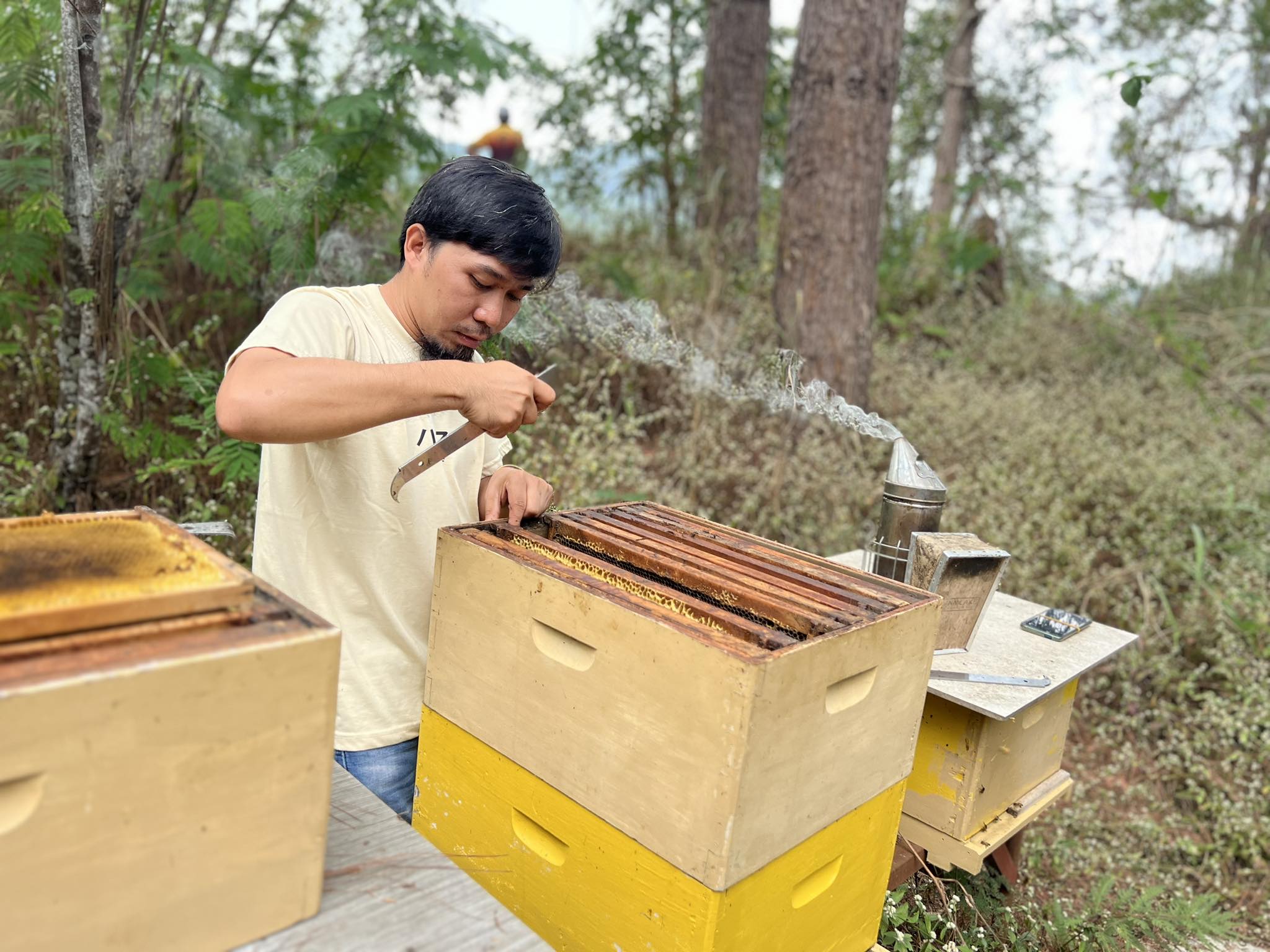

Beekeeping is more than a hobby; it’s a venture that can turn a passion for bees into a profitable business. With the growing interest in sustainable agriculture and natural products, beekeeping offers numerous opportunities for entrepreneurs. Let’s explore how to start and run a beekeeping business, manage financial planning, and diversify income streams with various bee products.
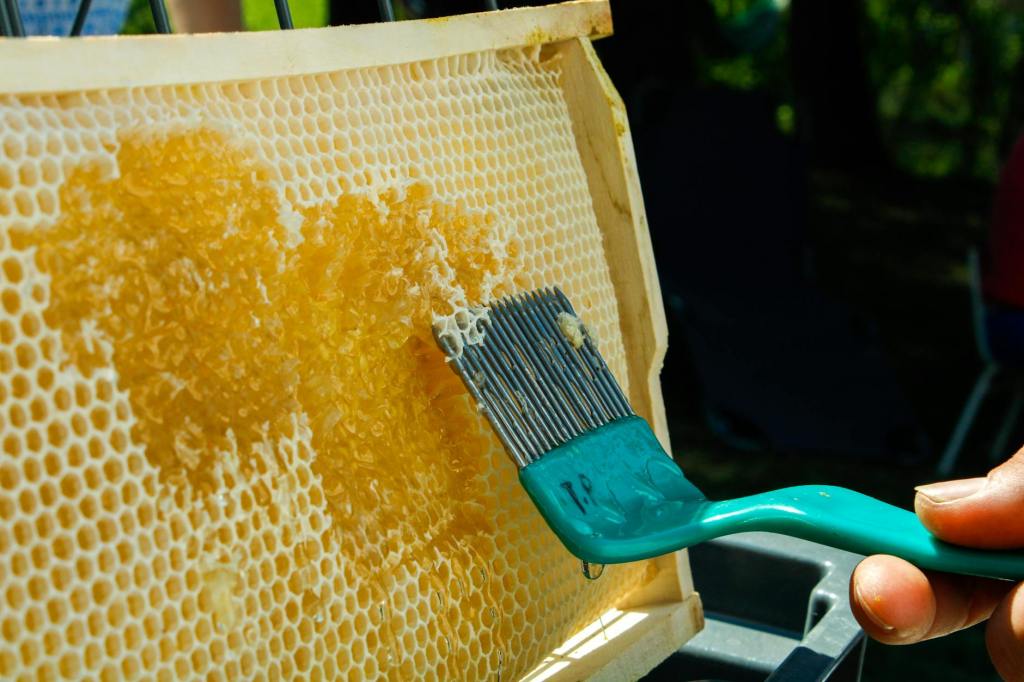
Starting and Running a Beekeeping Business
1. Initial Setup and Investment
Starting a beekeeping business requires careful planning and investment. The initial setup includes purchasing beekeeping equipment, acquiring bee colonies, and preparing hives. Essential equipment includes bee suits, smokers, hive tools, and honey extractors. Depending on the scale, the startup cost can range from a few hundred to several thousand dollars. In my setup, my initial investment was around $1,000 (or Php 58,000 at the time I converted USD to Php).
2. Location and Hive Placement
Choosing the right location for your apiary is crucial. Bees need a safe environment with access to diverse floral sources and clean water. It’s essential to comply with local zoning laws and regulations, which may include restrictions on hive placement and the number of hives. In my case, I don’t own a farm, so I approached farm owners to set up beehives on their properties. This arrangement benefits both me and the farmers, as the bees help pollinate their crops. However, I have one condition: no application of pesticides. I chose a location on my friend’s coconut farm, which also has diverse floral sources and clean water. This setup has proven to be mutually beneficial.
3. Education and Training
Knowledge is power in beekeeping. Aspiring beekeepers should invest in education and training through workshops, courses, and mentorship programs. Understanding bee behavior, hive management, and disease prevention is vital for maintaining healthy colonies. There are both free and paid training opportunities available locally and abroad (just search in Google’s search engine). I also watch YouTube channels and read journals to stay up to date. Additionally, I seek advice from experienced beekeepers and learn from their best practices.
4. Establishing Your Brand
Creating a unique brand identity helps differentiate your business in the market. Develop a business name, logo, and online presence. A professional website and active social media profiles can attract customers and build a loyal following. Feel free to add me as a friend on Facebook or connect with me on LinkedIn.
Financial Planning and Management for Beekeepers
1. Budgeting and Cost Management
Effective financial planning begins with creating a detailed budget. Account for initial setup costs, ongoing expenses (such as feeding during dearth periods and equipment maintenance), and expected costs (like disease treatment). Regularly review and adjust your budget to stay on track.
2. Revenue Streams
Identify and diversify your revenue streams. Besides selling honey, consider other bee products like beeswax, propolis, royal jelly, and pollen. Offering pollination services to local farmers can also be a lucrative addition to your business.
3. Record Keeping
Maintain accurate records of expenses, income, hive health, and production levels. This data is crucial for financial management, identifying trends, and making informed business decisions. Digital tools and software can simplify record-keeping tasks. Personally, I use Google Sheets so I can keep records anytime and anywhere.
4. Legal and Insurance Considerations
Ensure your business complies with local regulations, including obtaining necessary permits and licenses (please refer to the relevant government agency to determine if there are any regulations or licenses required). Consider insurance options to protect your investment from risks such as hive theft, vandalism, and natural disasters. However, in my country, I haven’t explored insurance options yet, honestly, because beekeeping is not a common livestock activity in the Philippines. If you’re a beekeeper from the Philippines and have information about insurance, please comment below.
Diversifying Income Streams with Bee Products
1. Honey and Honey-Based Products
Honey is the primary product of most beekeeping businesses. Explore different types of honey, such narra, acacia, wildflower varieties like wild sunflower. Consider offering flavored or infused varieties to diversify your product line. Honey-based products, such as candles, skincare items, and gourmet foods, can also attract a broader market and increase your revenue streams.
2. Beeswax
Beeswax is a versatile product with numerous applications beyond making beeswax foundation sheets. It can be used to create candles, cosmetics, and household products like wraps and furniture polish. Offering beeswax products can significantly boost your income.
3. Propolis and Royal Jelly
Propolis and royal jelly are valued for their health benefits. Propolis is used in natural remedies and skincare products, while royal jelly is a popular dietary supplement. Educate your customers about the benefits of these products to increase sales.
4. Pollen and Bee Bread
Bee pollen and bee bread are rich in nutrients and sought after by health enthusiasts. These products can be sold as dietary supplements or incorporated into health foods. Highlighting their nutritional value can help attract health-conscious consumers.
5. Pollination Services
Providing pollination services to local farms can be a profitable addition to your beekeeping business. Many crops depend on bees for pollination, and farmers are willing to pay for this essential service. Building strong relationships with local farmers can ensure a steady stream of income.
So…
By carefully planning your startup, managing finances wisely, and diversifying your income streams, you can create a successful and sustainable beekeeping business. As consumer demand for natural and sustainable products grows, beekeeping presents a golden opportunity for entrepreneurs ready to embrace this thriving industry.
 bubuyog
Leave a comment