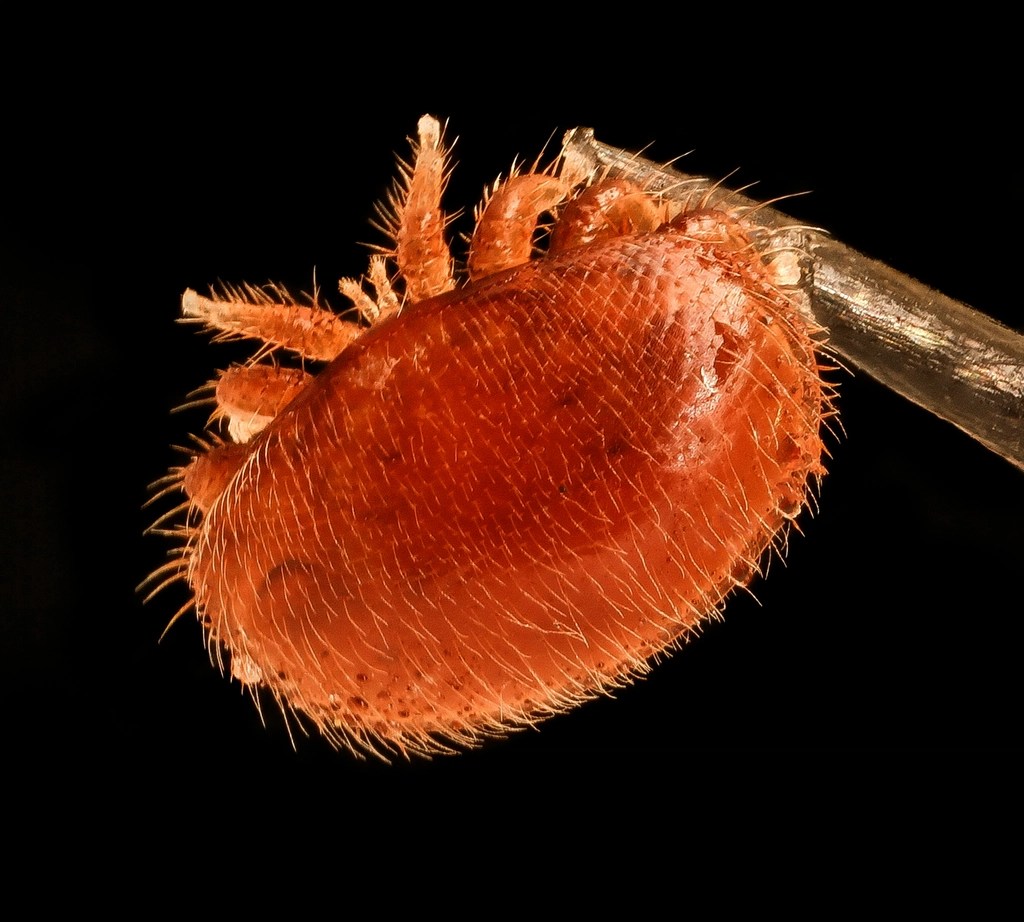
Varroa mites, scientifically known as Varroa destructor, are parasitic mites that pose a significant threat to honey bee populations globally. These mites attach to the bodies of honey bees, feeding on their fat body tissue, which is essential for the bees’ immune function, development, and reproduction. The damage inflicted by Varroa mites weakens bees, making them more vulnerable to diseases and diminishing the overall health and productivity of the colony.
Varroa mites reproduce on the developing bee brood, particularly favoring drone brood due to its longer development time, which allows the mites to complete more reproductive cycles. As the mites proliferate, they can transmit harmful viruses, most notably the deformed wing virus (DWV). This virus causes wing deformities that severely impair bees’ ability to fly and forage, leading to further colony decline.
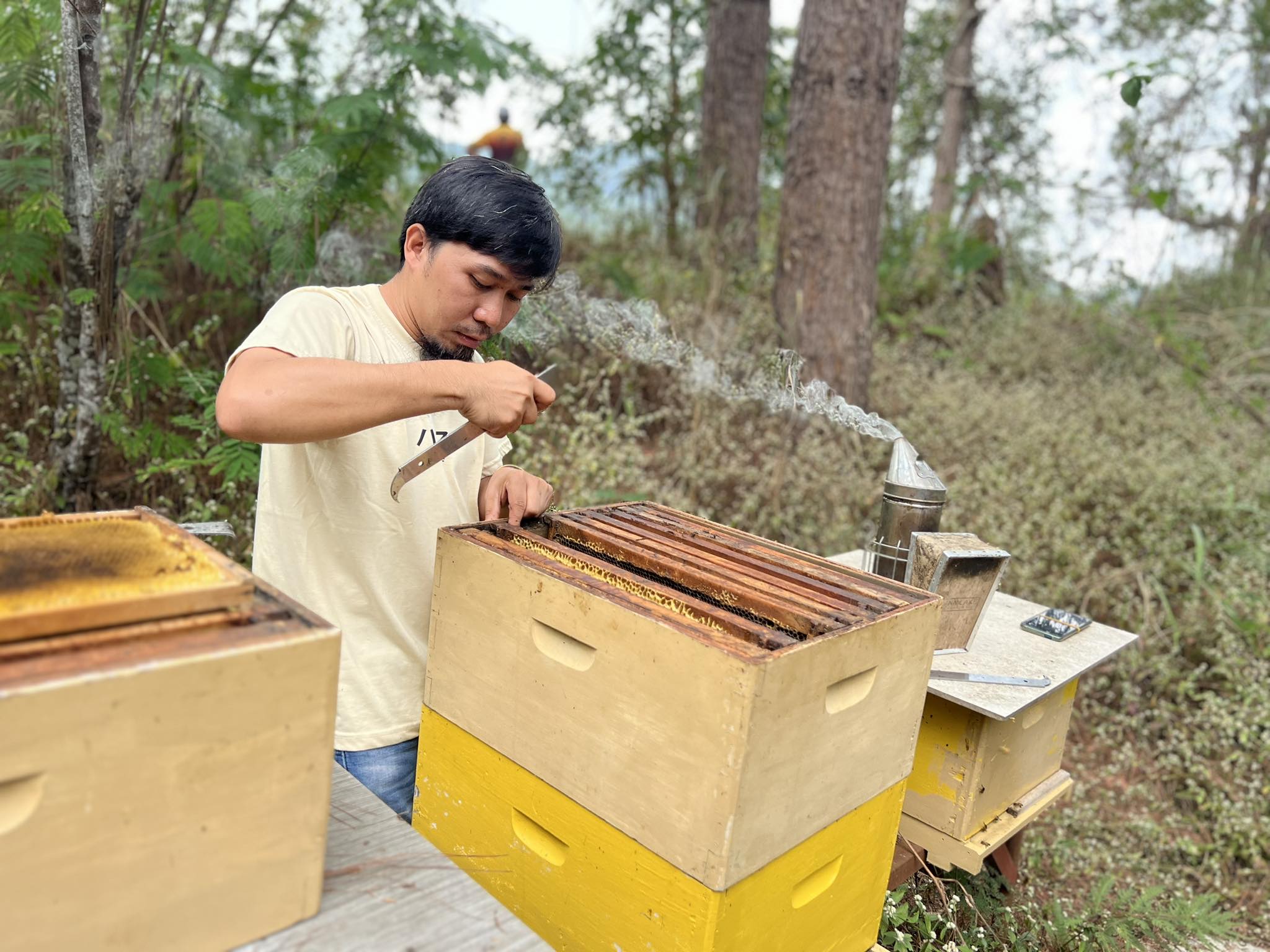
Effective management of Varroa mite infestations is crucial for maintaining healthy bee colonies. Beekeepers must regularly monitor mite levels and implement integrated pest management (IPM) strategies. These strategies include chemical treatments, such as miticides, and non-chemical methods, such as breeding mite-resistant bee strains, removing drone brood, and applying powdered sugar dusting to dislodge mites.
The challenge of controlling Varroa mites underscores the need for continuous research and development in beekeeping practices. By advancing our understanding of mite biology and improving management techniques, we can better protect honey bee populations, which are vital for pollination and agricultural productivity.
 bubuyog
Leave a comment