Bees are extraordinary creatures, playing a crucial role in maintaining the ecological balance of our planet. They are not only vital pollinators, supporting food production, but also the source of honey, beeswax, and other valuable products. In recent years, as awareness of environmental sustainability has grown, so too has the recognition of the importance of bees and the beekeepers who care for them.
The Role of Bees in the Environment
Bees, particularly honeybees, are responsible for pollinating approximately one-third of the crops we consume. This includes many of the fruits, vegetables, and nuts we rely on for a balanced diet. Without bees, food production would decline dramatically, leading to shortages and increased prices. Beyond agriculture, bees also contribute to the health of natural ecosystems by pollinating wild plants, which in turn support diverse wildlife species.
However, bees face numerous threats. Climate change, habitat destruction, and the widespread use of pesticides have led to a significant decline in bee populations globally. This has sparked concern, as the loss of bees would not only affect human food supply but also destabilize ecosystems.
The Beekeeper’s Role
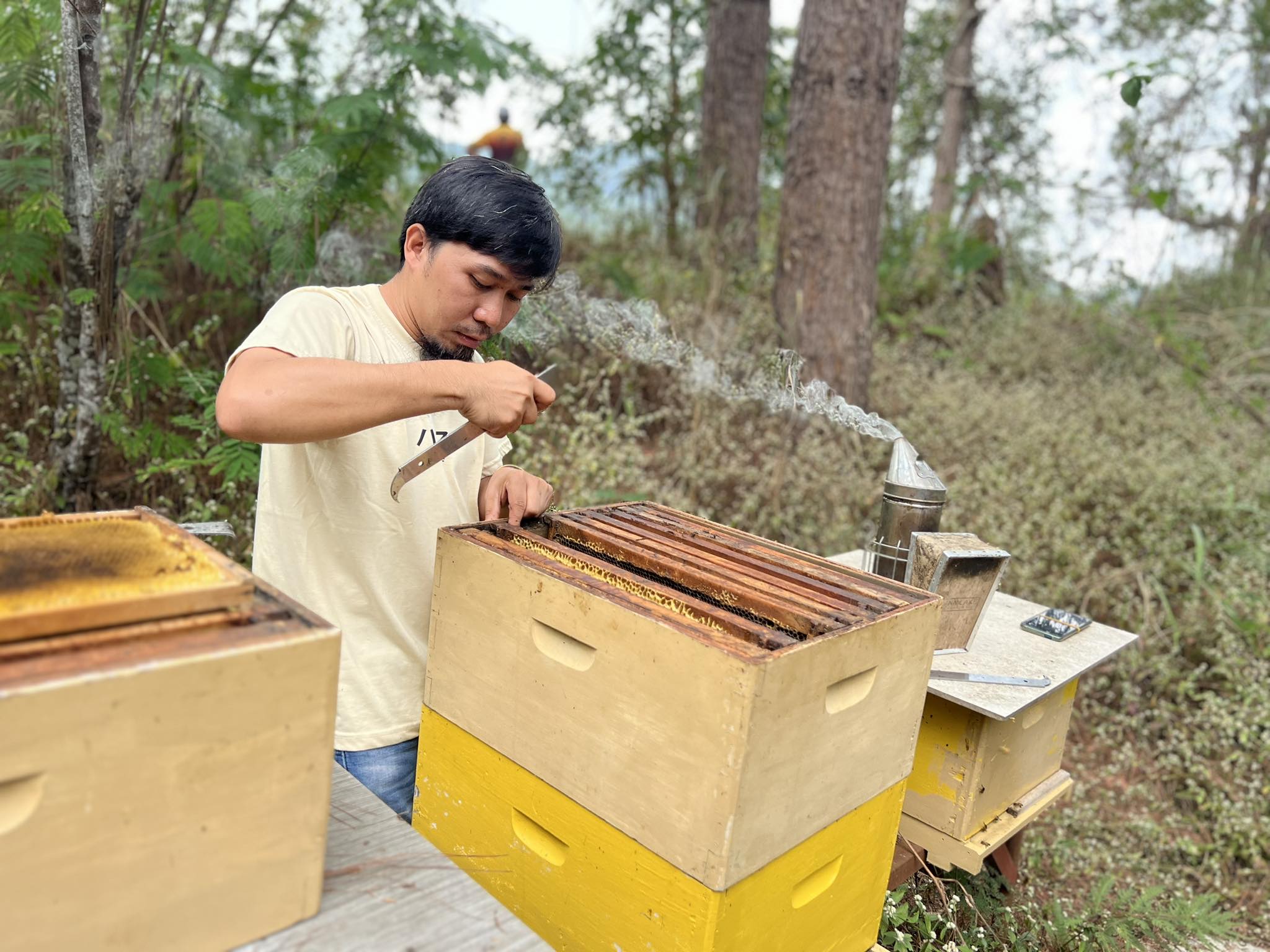
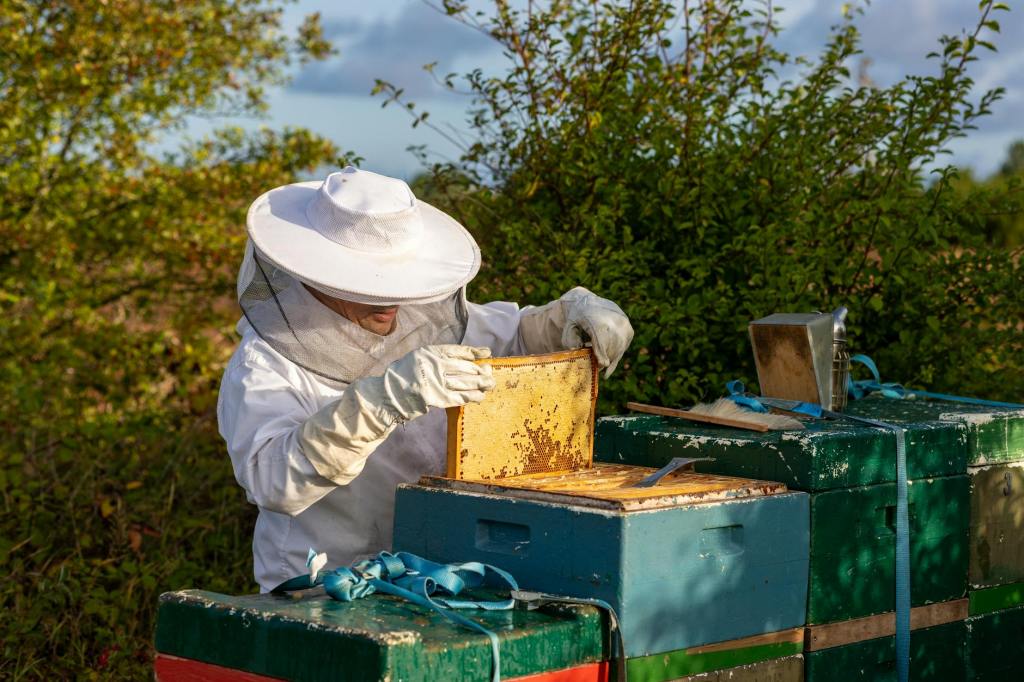
Beekeepers play a pivotal role in protecting and nurturing bee populations. Whether they operate large commercial apiaries or keep a few hives in their backyard, beekeepers are responsible for the health and productivity of their bee colonies. Their work involves much more than just harvesting honey. Beekeepers monitor the health of their hives, watch for diseases like American Foulbrood, and manage pests such as the destructive Varroa mite.
In addition to disease management, beekeepers often relocate their hives to different regions depending on seasonal blooming cycles, ensuring that the bees have access to diverse sources of pollen. This movement is especially common in large-scale agricultural settings, where bees are transported to pollinate crops such as almonds, apples, and blueberries.
The Relationship Between Bees and Beekeepers
The relationship between bees and beekeepers is a delicate balance of care, respect, and mutual benefit. Bees provide honey, beeswax, and other valuable products, while beekeepers ensure the safety and well-being of their colonies. A successful beekeeper understands the nuances of bee behavior and hive management, maintaining a sustainable environment where bees can thrive.
However, beekeeping is not without its challenges. Environmental changes, pesticide exposure, and habitat loss all pose risks to bees and can severely impact hive productivity. Beekeepers are often at the forefront of advocating for better environmental practices, pushing for reduced pesticide use and promoting the planting of bee-friendly plants in both agricultural and urban environments.
The Importance of Sustainable Beekeeping
In recent years, the concept of sustainable beekeeping has gained prominence. Sustainable beekeeping practices focus on maintaining healthy bee populations while minimizing the environmental impact of beekeeping activities. This includes using organic methods to manage pests, avoiding chemicals that harm bees, and promoting biodiversity by planting diverse forage crops for bees to pollinate.
By prioritizing bee health and ecological sustainability, beekeepers can ensure that their hives remain productive and that bees continue to play their essential role in pollination. Many beekeepers now also participate in educational outreach, raising awareness about the importance of bees and advocating for practices that support pollinator health.
Bees and beekeepers share a deep, interdependent relationship that is vital to both human agriculture and the health of our ecosystems. As threats to bee populations continue to rise, the role of beekeepers has never been more critical. Through their care, knowledge, and commitment to sustainable practices, beekeepers help ensure that bees can continue their indispensable work, supporting both nature and humanity.
In a world increasingly focused on sustainability, beekeeping represents a harmonious balance between human activity and environmental stewardship—one where both bees and humans can thrive.
 bubuyog
Leave a comment