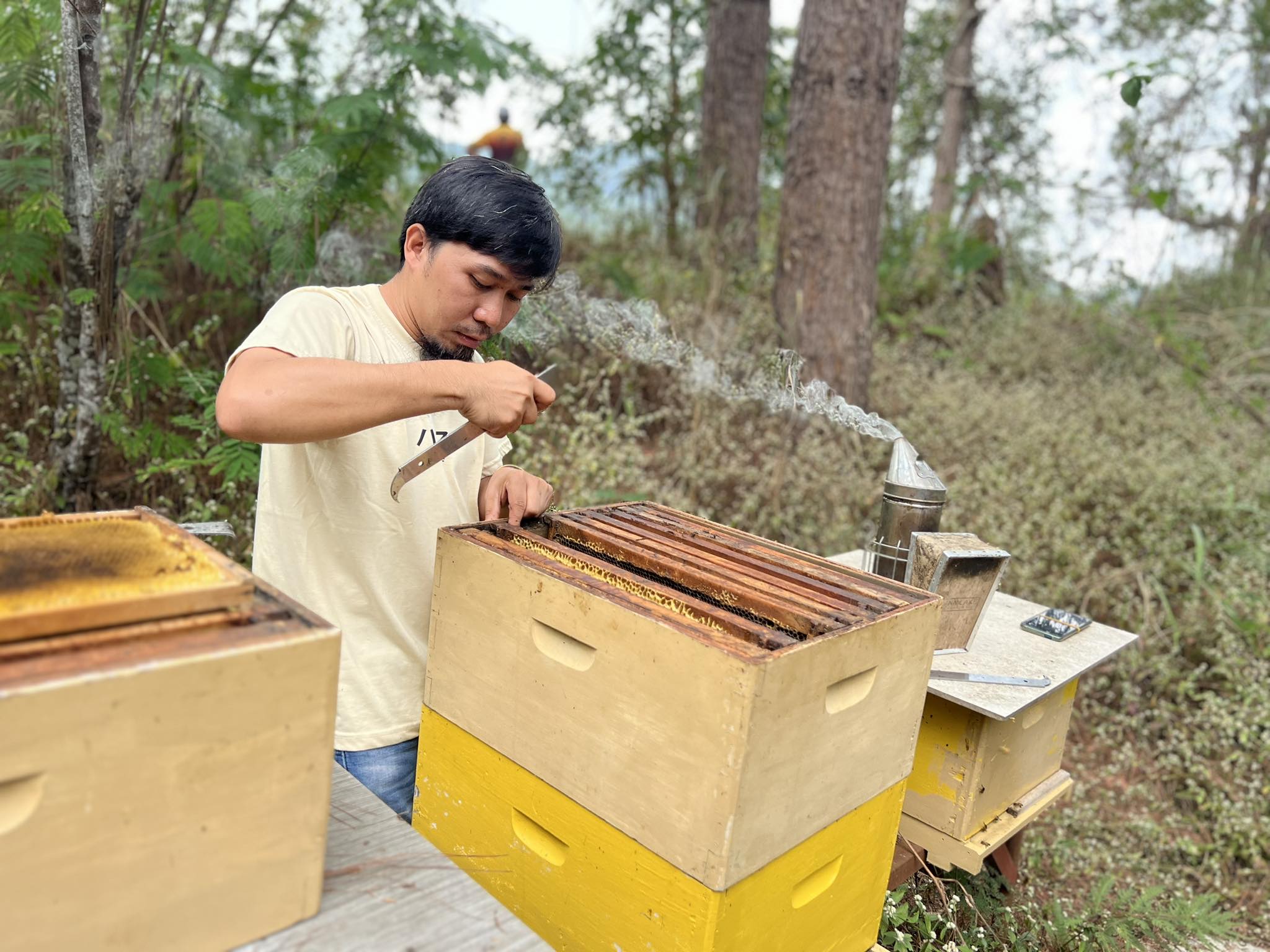
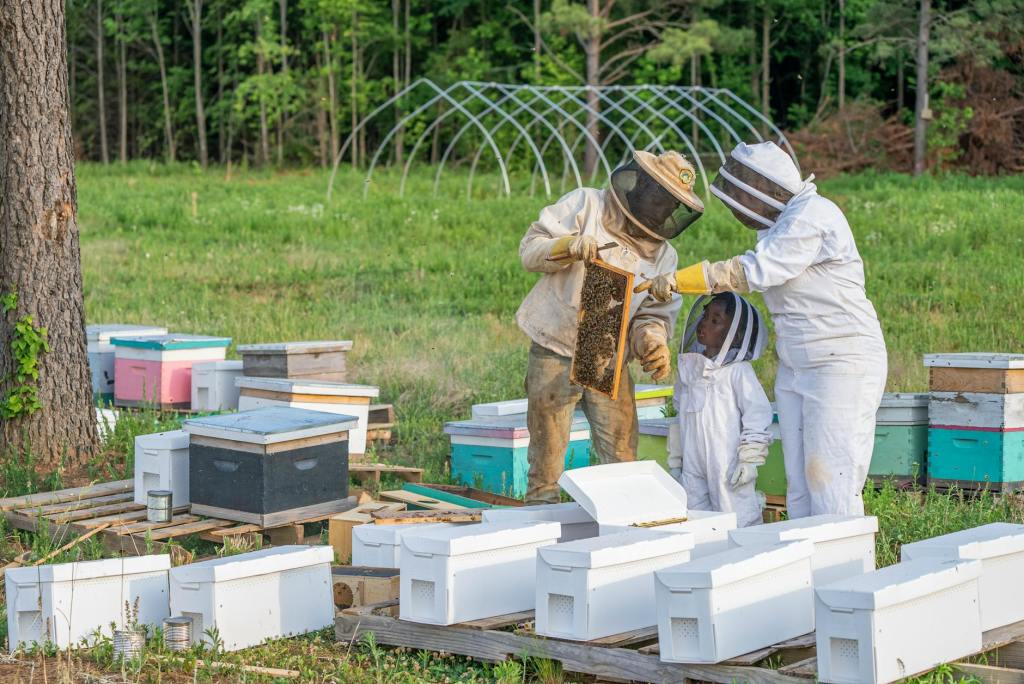
Precision beekeeping (PB) is an advanced approach to managing beehives that applies precision agriculture principles to apiculture. It involves the use of modern technology, data analysis, and automation to monitor and manage beehives with greater accuracy and efficiency. The goal is to optimize the health, productivity, and sustainability of bee colonies, ultimately improving honey production, pollination services, and overall hive management.
Key Features of Precision Beekeeping:
- Remote Monitoring and Sensors: Precision beekeeping uses a variety of sensors and IoT (Internet of Things) devices to monitor various aspects of hive health and environmental conditions. These can include:
- Temperature and Humidity Sensors: Monitoring internal hive conditions to ensure optimal environments for the bees.
- Hive Weight Sensors: Measuring hive weight to estimate honey production and detect issues such as swarming or colony collapse.
- Acoustic Sensors: Detecting the sound patterns inside the hive to monitor the bees’ behavior, including stress levels, queen presence, or hive disturbances.
- GPS Tracking: Tracking the movement of hives, especially in migratory beekeeping operations, to prevent theft and monitor hive locations.
- Data-Driven Decision Making: Data collected from sensors and other digital tools is analyzed to provide insights into the health and productivity of each hive. Beekeepers can use this data to make informed decisions about:
- Hive maintenance (feeding, pest control, re-queening).
- Optimizing pollination services based on crop bloom periods and geographic data.
- Identifying early signs of disease or stress within the hive (e.g., varroa mite infestation or colony collapse disorder).
- Automation and Robotics:
- Automated Feeders: Feeders equipped with sensors can detect when the bees need more food and automatically dispense sugar water or other nutrients.
- Robotic Assistants: Emerging technologies include robots that help with hive inspections, reducing human error and minimizing stress on the bees.
- Automated Honey Harvesting: Systems that automatically harvest honey from hives, reducing labor and increasing efficiency.
- Geospatial and Environmental Data: Precision beekeeping often integrates geospatial data, such as satellite imagery and weather forecasting, to predict the best times and locations for hive placement. This is especially valuable in large-scale commercial operations where bees are transported for pollination services. Beekeepers can monitor regional climate conditions, flora cycles, and environmental risks, such as pesticide application in surrounding areas.
- Disease and Pest Management: With the rise of precision beekeeping, there is a more targeted approach to dealing with pests like varroa mites and diseases such as American Foulbrood. Precision tools allow beekeepers to detect infestations or infections early on, leading to more effective and environmentally friendly treatments. For example, thermal imaging or specialized sensors can detect areas within the hive that are under stress, enabling quicker interventions.
Benefits of Precision Beekeeping:
- Increased Hive Productivity: By monitoring and managing hives more effectively, precision beekeeping can help boost honey production, improve pollination services, and increase overall colony health.
- Reduced Labor Costs: Automation reduces the need for constant manual inspections, saving time and labor for beekeepers.
- Better Disease Management: Early detection of issues such as varroa mites or hive diseases can prevent larger problems, reducing colony losses.
- Environmental Sustainability: Precision beekeeping supports more sustainable farming practices by reducing the need for chemical interventions and optimizing resource use.
Challenges:
- Cost of Implementation: Precision beekeeping technologies can be expensive, particularly for smaller operations.
- Technological Complexity: Adopting precision beekeeping requires training and understanding of the technology involved.
- Data Overload: Beekeepers need to learn how to manage and interpret the vast amounts of data collected by precision tools effectively.
Conclusion:
Precision beekeeping is revolutionizing the way modern beekeepers manage their hives. By combining technology, data analysis, and automation, it helps to improve hive health, increase productivity, and ensure sustainable practices. While it may involve some initial costs and training, precision beekeeping promises long-term benefits for both commercial and small-scale beekeepers.
 bubuyog
Leave a comment