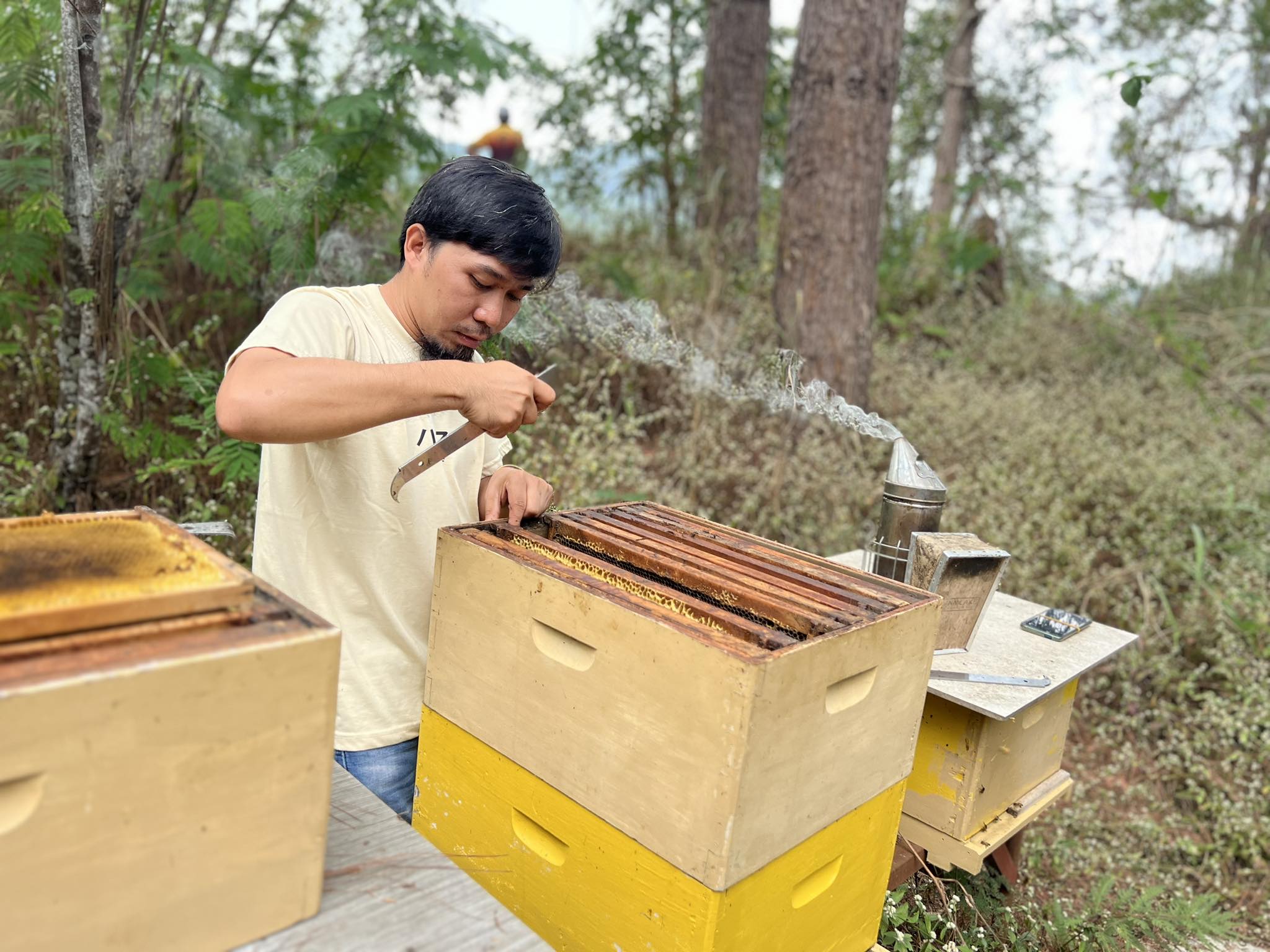
Beekeeping is both an art and a science, requiring careful selection of bee stocks that align with local climate conditions, hive management strategies, and productivity goals. Choosing the right strain of honey bee can significantly impact colony health, honey production, and disease resistance. Over time, beekeepers have introduced and selectively bred various bee races to enhance desirable traits such as gentleness, foraging efficiency, overwintering capability, and resistance to pests and diseases.
Understanding Bee Races and Strains
Honey bees found in modern apiaries are a mix of several races originally introduced from Europe, Africa, and the Middle East. These strains have evolved over time, influenced by selective breeding and adaptation to different environments. Among the most common races are Italian, Caucasian, Carniolan, and hybrid bees, each offering unique advantages and challenges.
Italian Bees (Apis mellifera ligustica)
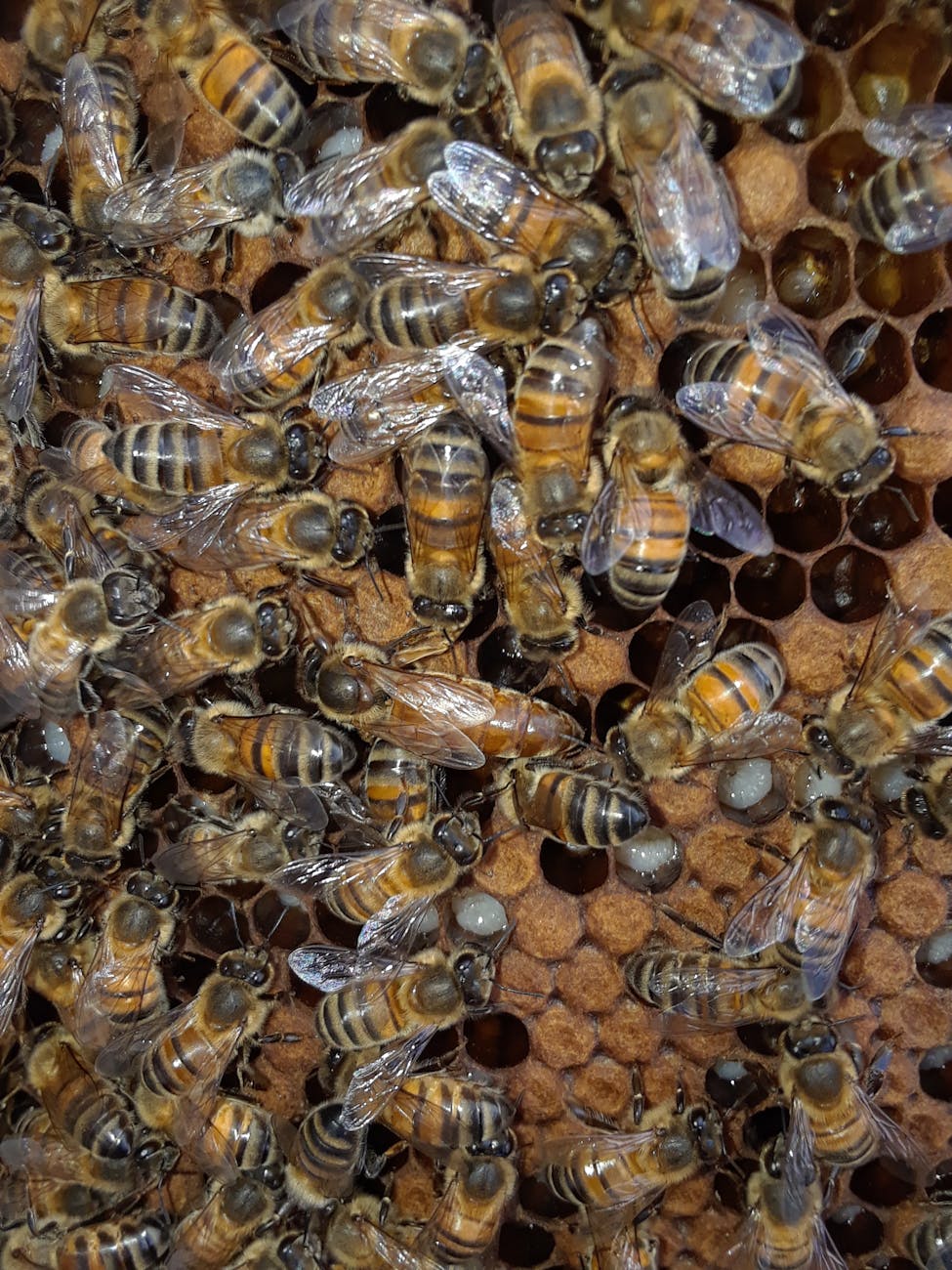
Italian bees are the most widely used race in beekeeping due to their gentle nature, prolific brood rearing, and strong honey-producing abilities. Their distinct golden-yellow color with black bands makes them easy to identify. They have a long active season, making them excellent honey producers, but they also consume more stored honey during winter. Italians are relatively resistant to European foulbrood (EFB) but have weaker orientation skills, which can lead to colony drifting and robbing behavior.
Caucasian Bees (Apis mellifera caucasica)
Known for their gentle temperament, Caucasian bees are dark-colored with grayish bands. They excel in adverse weather conditions, foraging effectively even in cooler temperatures. However, they are heavy propolis producers, which can make hive inspections challenging. While they are not inclined to excessive swarming, they tend to drift between colonies, increasing the risk of disease transmission.
Carniolan Bees (Apis mellifera carnica)
Carniolans are well-adapted to cold climates, making them a preferred choice for regions with long winters. They conserve food efficiently, overwintering in small clusters and expanding rapidly in spring. However, their rapid colony buildup often results in frequent swarming, which requires diligent management. Carniolans are gentle, non-robbers, and have excellent navigational skills, reducing colony losses due to drifting.
Hybrid Bees and Selectively Bred Stock
Crossbreeding different honey bee strains has led to the development of hybrid bees, offering enhanced productivity, disease resistance, and adaptability. Among them are:
- Buckfast Bees – Originally developed in England, these bees are known for their tracheal mite resistance and superior overwintering ability.
- Russian Bees – Selected for their resistance to Varroa mites, Russian bees have become a sought-after option for beekeepers battling parasitic infestations.
- SMR (Suppressed Mite Reproduction) and VSH (Varroa Sensitive Hygiene) Bees – These are bred to actively resist mite infestations through enhanced hygienic behaviors, where they detect and remove infested brood, reducing the spread of parasites.
Selecting the Right Bees for Your Apiary
There is no single “best” bee for all environments—choosing the right race depends on factors such as:
✔ Climate Adaptability – Carniolan and Russian bees perform well in cold climates, while Italians excel in warm regions.
✔ Foraging Efficiency – Italians and hybrids are prolific nectar gatherers, making them ideal for high-yield honey production.
✔ Colony Management – Carniolans require close monitoring due to their high swarming tendencies, while Caucasians need hive inspections for excessive propolis buildup.
✔ Disease Resistance – Buckfast and Russian bees have strong resistance to mites and certain bacterial infections.
Maintaining Hybrid Vigor and Stock Purity
For beekeepers using hybrids or selectively bred stock, regular requeening is essential. Allowing natural queen replacement often dilutes the original stock’s traits, leading to defensive behavior and reduced productivity. Beekeepers should source quality queens from reputable breeders to ensure the continued success of their apiaries.
Selecting the right honey bee strain is a critical decision that affects hive health, productivity, and overall beekeeping success. While each race and hybrid has unique advantages, beekeepers should experiment with different strains to determine which works best in their local environment. Through careful selection, proper management, and strategic breeding, beekeepers can optimize their colonies for sustainable and profitable operations.
 bubuyog
Leave a comment