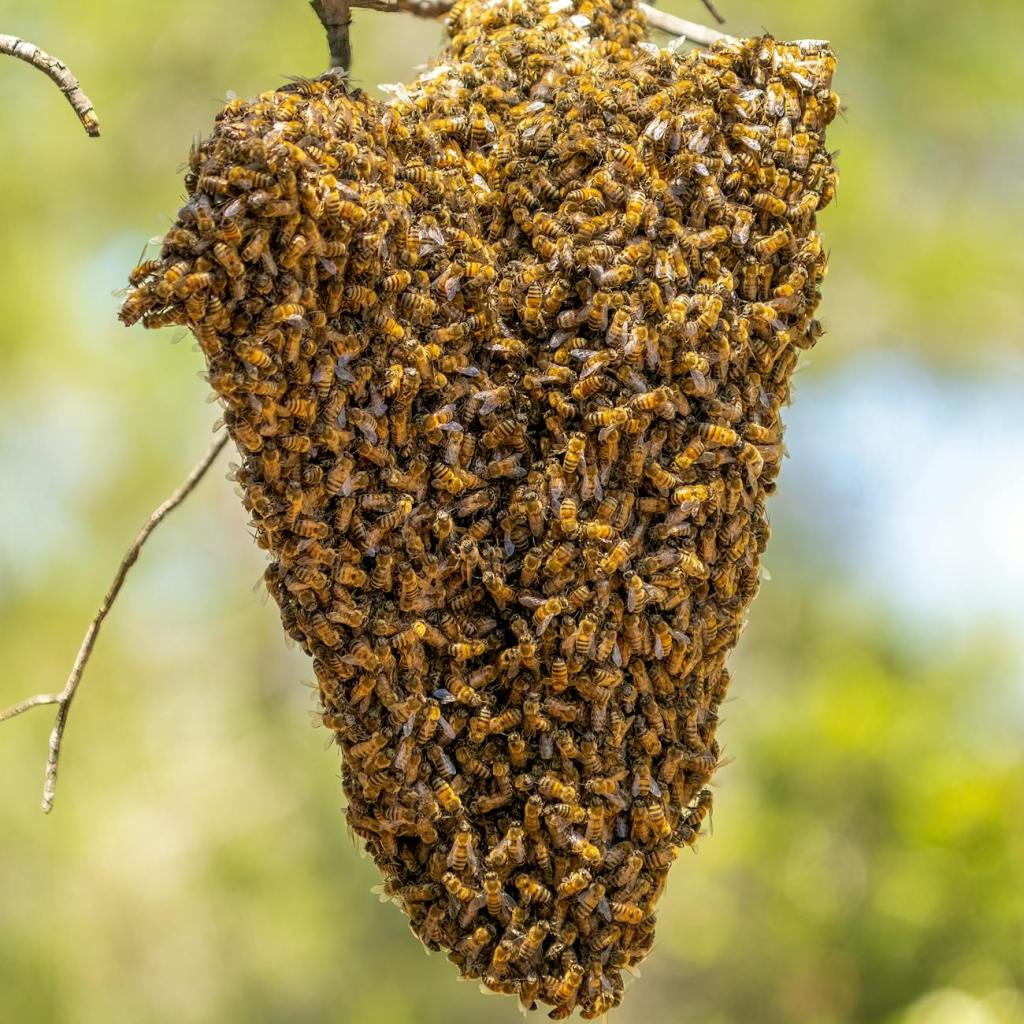
When you see a buzzing cloud of bees suddenly lift off from a hive, it might look like something has gone wrong. But in reality, this dramatic display is one of nature’s most incredible and purposeful behaviors: swarming.
For beekeepers and bee enthusiasts, understanding swarms is key not just to managing hives—but to appreciating the deeper intelligence of these remarkable creatures.
🌼 What Is a Bee Swarm?
A swarm is a natural process where a colony splits into two. The original queen bee leaves the hive with about half of the worker bees to find a new home, while the remaining bees stay behind to raise a new queen.
It’s how bees expand their populations. Rather than starting from scratch, they take their strength and knowledge—and start again, somewhere new.
🌸 Why Do Bees Swarm?
Swarming usually happens in the spring or early summer, when conditions are just right for new colonies to thrive. But there are several reasons a colony might decide it’s time to move out:
- Overcrowding: If there isn’t enough space for brood or honey storage, bees begin preparations to divide.
- Aging Queen: An older queen may not produce strong pheromones, which helps regulate the hive. When her influence weakens, the bees may prepare a replacement.
- Healthy Colony Growth: Ironically, a very successful and robust hive is more likely to swarm—simply because it’s outgrown its space.
Think of it like a bustling household—eventually, some members need to spread out and start their own family.
🐝 Should Beekeepers Worry?
Swarming is natural, but for beekeepers, it does pose challenges. A hive that swarms loses a significant number of workers, which can reduce honey production and impact the health of the original colony.
But rather than viewing it as a problem, beekeepers can use swarm season as a time for smart management.
🧰 Swarm Prevention and Management Tips
Here are a few practical ways to manage or reduce swarming in your apiary:
1. Give Them Room to Grow
Add more space for the colony to expand—such as supers or additional brood boxes—especially during spring buildup.
2. Split the Colony
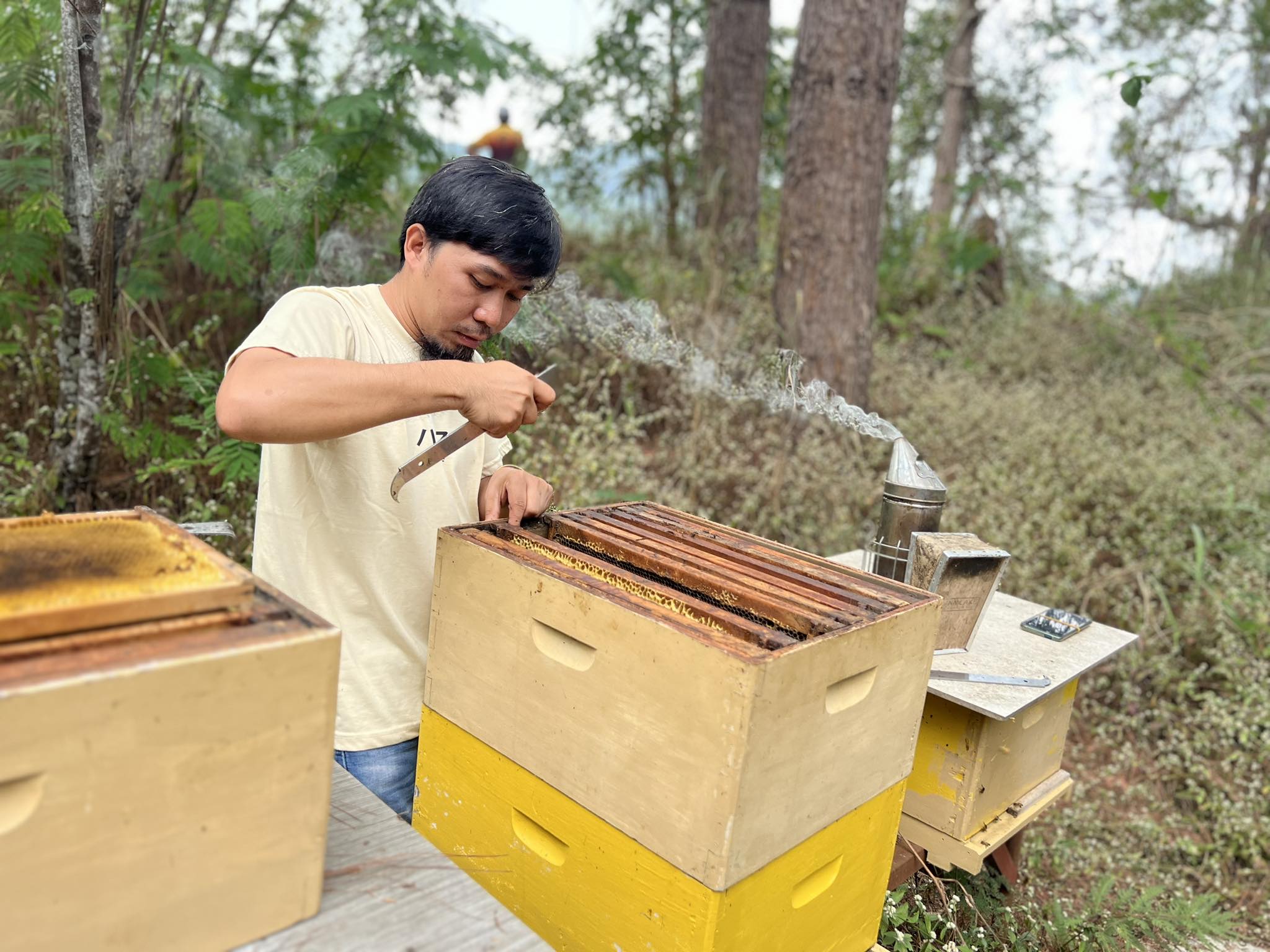
If your hive is booming with activity, you can mimic the natural swarm process by making a controlled split. This creates a new colony under your supervision—no bees lost to the wild.
3. Monitor Queen Cells
During routine inspections, look for queen cells along the bottoms of frames. These are clear indicators the colony is preparing to swarm. You can take preemptive action by removing them (if appropriate) or using them for splits.
4. Improve Hive Ventilation
Poor airflow can increase heat and stress inside the hive, making swarming more likely. Proper ventilation keeps your bees comfortable and productive.
💛 Final Thoughts: Respecting the Swarm
Bee swarms may look wild, but they’re incredibly organized. They reflect a colony’s wisdom, cooperation, and drive for survival.
As beekeepers, it’s our job to work with nature—not against it. By understanding the signs, preparing in advance, and responding with care, we can support our bees in one of the most beautiful parts of their life cycle.
So next time you see a swarm lifting off, take a moment. You’re witnessing one of nature’s most profound acts of renewal—a hive taking flight into its future.
Have you experienced a swarm in your apiary? Share your story or tips in the comments—we’d love to hear from you! 🐝🌻
 bubuyog
Leave a comment