Hello Fellow Beekeepers,
As the air warms and blossoms burst open, your bees begin their annual race against time—building up their population and gathering nectar with astonishing purpose. In this period of rapid growth, understanding when and how to expand your hive is one of the most powerful skills a beekeeper can master. Let’s explore the essentials of adding a super at just the right time.
A Living, Breathing System
A beehive is not merely a wooden box filled with buzzing insects. It’s an ecosystem, a meticulously managed organism made up of thousands of individuals working in harmony. During spring and summer, this system accelerates: the queen increases her egg laying, foragers return in droves with nectar and pollen, and nurse bees rear new generations. This explosion of life needs room to thrive. Without timely intervention, the hive may become overcrowded—triggering stress, disease, and swarming.
When to Add a Super: Reading the Hive’s Signals
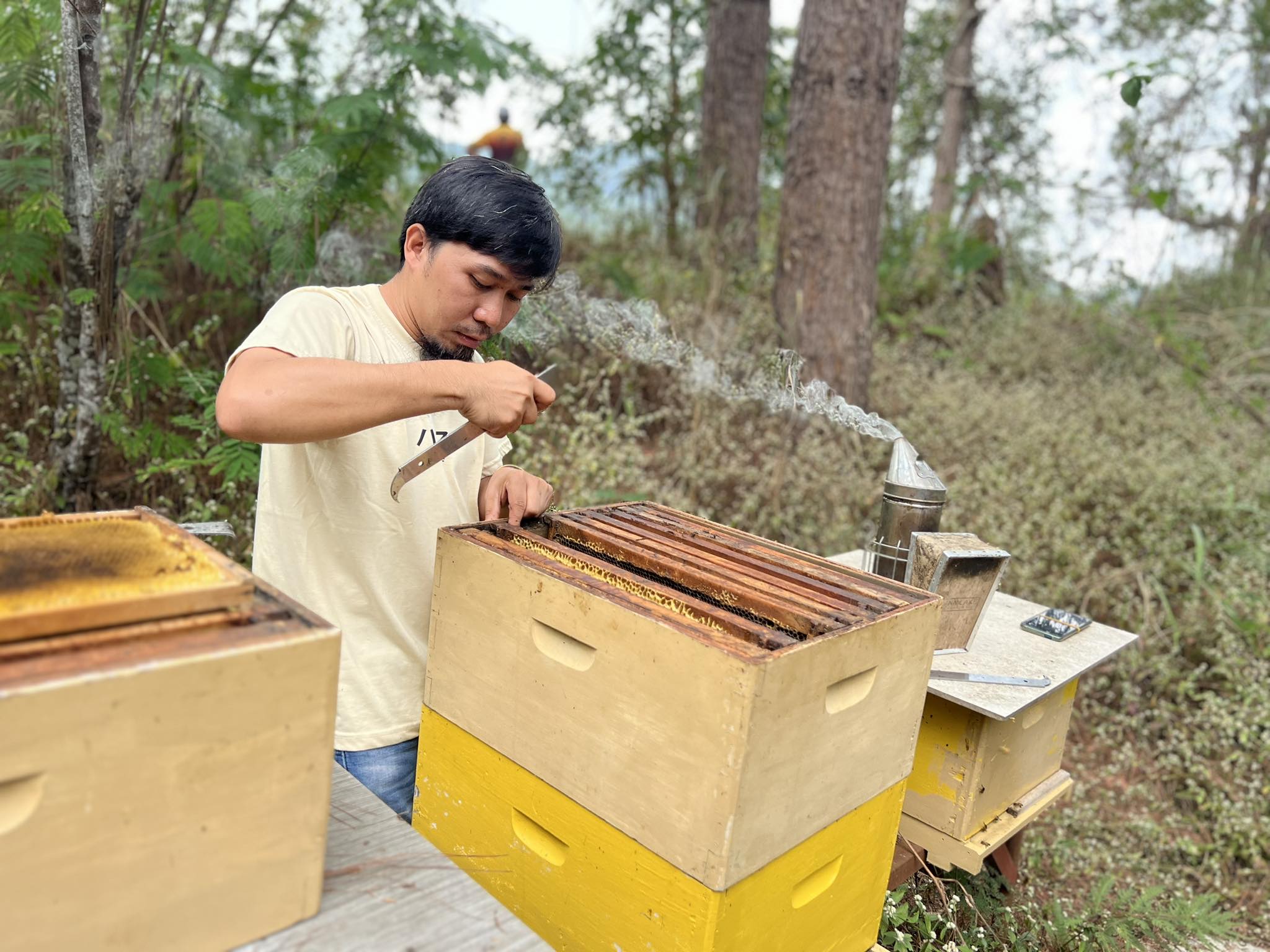
The Langstroth hive, with its modular and stackable design, allows beekeepers to respond dynamically to colony growth. But timing is key. Add a super too early, and you risk spreading your colony too thin. Wait too long, and you may lose half your bees to a swarm.
Watch for These Signs:
- Frame Utilization: When 7 or 8 out of 10 frames in the top box are filled with honey or brood, your bees are telling you they need more space.
- Bee Traffic & Density: If you open your hive and see bees overflowing, clustering on the inner cover, or visibly agitated due to congestion—take action.
- Swarm Preparation: Spotting queen cells on the edges of brood frames is a red flag. The colony may already be planning to split.
What Type of Super to Add?
Brood Supers:
If the queen is running out of laying space, add a deep super below or above the brood chamber. This supports population growth and reduces swarming tendencies.
Honey Supers:
For nectar storage, choose medium or shallow supers depending on your goals. Medium supers offer a balance between capacity and weight, while shallow ones are easier to lift—especially useful during heavy nectar flows.
🔍 Tip: Always use a queen excluder if you want to keep brood out of honey supers.
Why Hive Expansion Matters
Adding a super at the right time can:
- Prevent Swarming: Give your bees a reason to stay home and keep building.
- Boost Productivity: More room means more nectar can be processed into honey.
- Improve Health: Crowded hives are vulnerable to pests like Varroa mites and stress-induced diseases.
- Optimize Internal Climate: Proper space helps bees regulate hive temperature and humidity.
Closing Thoughts: Bee One Step Ahead
Successful beekeeping isn’t about reacting—it’s about anticipating. Hive expansion is more than just stacking another box; it’s a strategic move to support the natural rhythms of your colony.
So next time you inspect your hive and feel that familiar buzz of spring energy, pause and ask yourself: Are my bees ready to expand?
Here’s to strong colonies and overflowing supers.
Buzz wisely,
Christian Baunillo
 bubuyog
Leave a comment